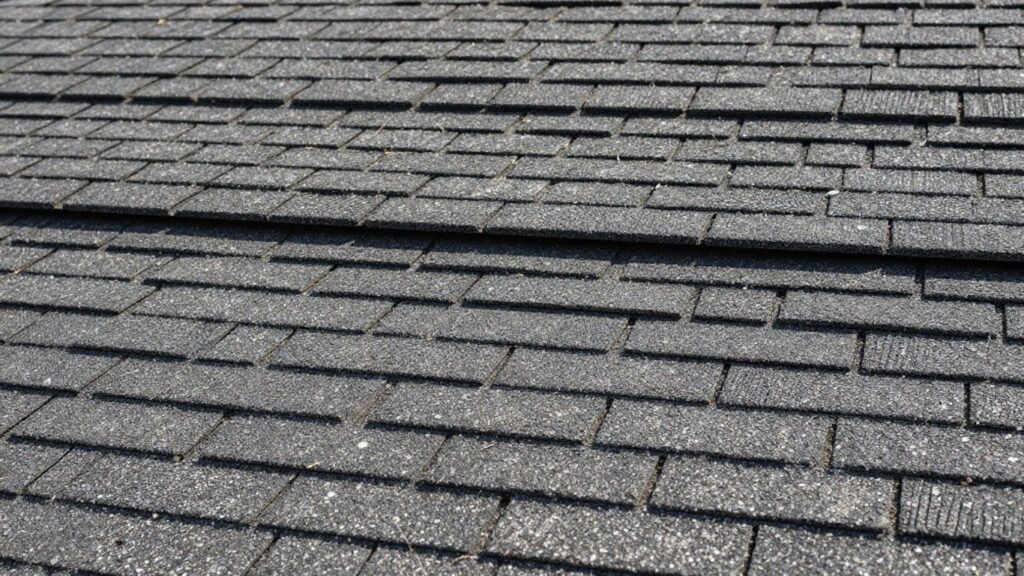
Thinking about your roof and how long it’s supposed to last can be a bit of a head-scratcher. You know it’s important, but figuring out its actual lifespan isn’t always straightforward. Different materials, the weather you get, and even how well it was put on in the first place all play a part. Plus, nobody wants to deal with a leaky roof, right? This guide will help you get a better handle on what to expect and when it might be time to start thinking about a replacement.
Key Takeaways
- The material your roof is made of is a big factor in how long it lasts; think 15-30 years for asphalt shingles, but potentially over 100 for slate.
- Harsh weather like heavy snow, wind, or intense sun can shorten a roof’s life, so local climate matters a lot.
- Keeping up with your roof through regular checks and fixing small issues can really help it last longer.
- Good airflow in your attic is important because it helps control moisture and heat, which protects your roof.
- When you see signs like leaks, sagging, or damaged shingles, it’s usually a good time to call a professional to check things out.
Understanding How Long Does A Roof Last
So, you’re probably wondering, "How long is this thing on my head actually going to last?" It’s a fair question, and honestly, there’s no single, simple answer. Think of it like asking how long a car will last – it depends on the make, model, how you drive it, and how often you get the oil changed. Your roof is pretty similar.
Several big things play a role in how many years you’ll get out of your roof before it’s time for a change. We’re talking about what it’s made of, how well it was put on in the first place, and what kind of weather it has to deal with day in and day out. Plus, a little bit of regular care can go a long way.
Factors Influencing Roof Lifespan
When we talk about what makes a roof last longer or shorter, a few key players always pop up. It’s not just one thing, but a mix of elements working together.
- Material Choice: This is a huge one. Different materials are built tough in different ways. Some are naturally more resistant to the elements than others.
- Installation Quality: Even the best materials can fail if they aren’t installed correctly. Think of it like building a house – if the foundation isn’t right, the whole thing is shaky.
- Climate and Weather: Where you live matters. A roof in a place with harsh winters and lots of snow will likely have a different lifespan than one in a milder climate.
- Maintenance: Just like anything else, a roof needs a little attention now and then. Catching small problems early can prevent them from turning into big, expensive headaches.
The Role of Roofing Materials
What your roof is actually made of is probably the biggest factor in its lifespan. Some materials are designed to last for decades, while others are more of a short-term solution.
- Asphalt Shingles: These are super common and usually last between 15 to 30 years. They’re a good balance of cost and performance for many homes.
- Metal Roofing: Known for being tough, metal roofs can often last 40 to 70 years, sometimes even longer. They handle weather pretty well.
- Tile and Slate: These are the heavyweights. Clay or concrete tiles can easily last 50 to 100 years, and natural slate can go for a century or more – we’re talking potentially 150 years!
- Wood Shakes/Shingles: These look great but tend to have a shorter lifespan, often around 20 to 30 years, because they’re organic and can be more susceptible to rot and pests.
The material you choose sets the baseline for how long your roof could last. But remember, this is just a starting point. Other factors can significantly shorten or extend this expected life.
Installation Quality and Its Impact
It’s easy to focus on the materials, but how your roof is put together is just as important, if not more so. A poorly installed roof, even with the best shingles, is just asking for trouble.
- Proper Sealing: Flashing around chimneys, vents, and valleys needs to be done right to prevent water from getting underneath.
- Underlayment: The protective layer beneath your shingles is critical for an extra barrier against moisture.
- Ventilation: Good airflow in your attic helps regulate temperature and moisture, which can prevent premature aging of your roofing materials from the inside out.
Basically, a skilled installer who pays attention to the details makes a huge difference. They know how to make sure everything works together to protect your home for as long as possible.
Lifespans Of Common Roofing Materials
When you’re thinking about your roof, one of the first things that comes to mind is probably how long it’s going to last. It’s not just about looks; it’s about protecting your home. The material your roof is made from plays a huge part in this. Some materials are built to last for decades, while others might need attention sooner. Let’s break down some of the most common options and what you can expect from them.
Asphalt Shingles: A Popular Choice
Asphalt shingles are probably what you see on most houses. They’re popular for a good reason: they’re usually the most budget-friendly option upfront and come in a lot of colors and styles. However, they don’t typically last as long as some other materials. You can generally expect a lifespan of about 15 to 30 years for asphalt shingles.
This lifespan can be shorter if your roof is exposed to really harsh weather, like frequent hailstorms or intense sun. They can also be more prone to damage from things like wind lifting the edges or moss growth, which can trap moisture.
Metal Roofing: Durability and Resilience
Metal roofs have really gained popularity, and it’s easy to see why. They’re known for being tough and can handle a lot. Depending on the type of metal and the quality of the installation, a metal roof can often last anywhere from 40 to 70 years. That’s a pretty significant jump from asphalt shingles.
Metal is great at resisting fire, wind, and even heavy snow loads. It’s also pretty low maintenance, which is a big plus for homeowners. While the initial cost might be higher than asphalt, the long lifespan and reduced need for repairs can make it a smart investment over time.
Tile and Slate: Long-Term Investments
When you’re looking for a roof that’s built to last for generations, tile and slate are often the top contenders. Clay or concrete tiles can offer a lifespan of 50 to 100 years. They look great, are fire-resistant, and hold up well in many climates.
Slate takes durability to another level. Natural slate is incredibly dense and can last for a very, very long time – we’re talking 75 to even 200 years in some cases. It’s resistant to water, fire, and rot. The main drawback? Both tile and slate are heavy, so your home’s structure needs to be able to support them, and the upfront cost is usually the highest among common roofing materials.
Other Material Considerations
Beyond the big three, there are other materials to consider. For instance, wood shakes or shingles, while beautiful, typically have a shorter lifespan, often in the 20 to 30-year range, and require more upkeep due to their natural composition. For flat or low-sloped roofs, materials like EPDM (rubber roofing) or TPO are common, with lifespans generally ranging from 20 to 35 years. Each material has its own set of pros and cons regarding cost, appearance, durability, and maintenance needs.
Choosing the right roofing material is a balance between your budget, the look you want for your home, and how long you expect it to last. It’s worth looking into the specific requirements and expected performance of each option in your local climate.
Environmental and Climatic Influences
Your roof is basically the first line of defense for your home against whatever Mother Nature throws at it. Because of this, the weather and environment around your house have a pretty big say in how long your roof actually lasts. It’s not just about the materials you pick; where you live and what kind of weather you get really matters.
How Weather Affects Roof Longevity
Different types of weather put different kinds of stress on your roof. Think about it: heavy snow in the winter adds a lot of weight, and if it melts and refreezes, you can get ice dams that push water where it shouldn’t go. Then there’s the summer sun beating down, which can really dry out and degrade materials like asphalt shingles over time. Strong winds from storms can lift shingles right off, and even hail can cause dents and cracks you might not see right away.
The Impact of Local Climate Conditions
Every region has its own weather patterns, and these directly impact your roof. For example, places with lots of freeze-thaw cycles, like parts of Ontario, can cause materials to expand and contract repeatedly, leading to cracks and wear. Humid areas might see more moss and algae growth, which can hold moisture and damage shingles. Coastal areas deal with salt spray, and windy plains face constant wind pressure. Knowing your local climate helps you choose the right materials and be prepared for common issues.
Tree Coverage and Debris Management
Trees around your home can be a double-edged sword. While they offer shade that can help keep your roof cooler in the summer, they also drop leaves, branches, and other debris. When leaves clog your gutters, water can back up and pool on your roof, leading to rot and leaks. Falling branches, especially during storms, can cause direct physical damage. It’s a good idea to keep trees trimmed back from your roof and to clean out your gutters regularly.
Keeping an eye on your surroundings, like overhanging branches and potential debris buildup, is just as important as the roof itself. Regular clean-ups can prevent small issues from turning into big, expensive problems down the road.
Here’s a quick look at how different weather can affect your roof:
- Heavy Snowfall: Adds weight, can cause ice dams, and blocks drainage.
- High Winds: Can lift shingles, tear off flashing, and cause widespread damage.
- Extreme Heat & UV Rays: Degrades roofing materials, especially asphalt, leading to brittleness.
- Freeze-Thaw Cycles: Causes expansion and contraction, leading to cracks and material fatigue.
- Heavy Rain & Humidity: Promotes moss, algae, and mold growth, which retain moisture and can damage shingles.
Signs Your Roof Needs Replacement
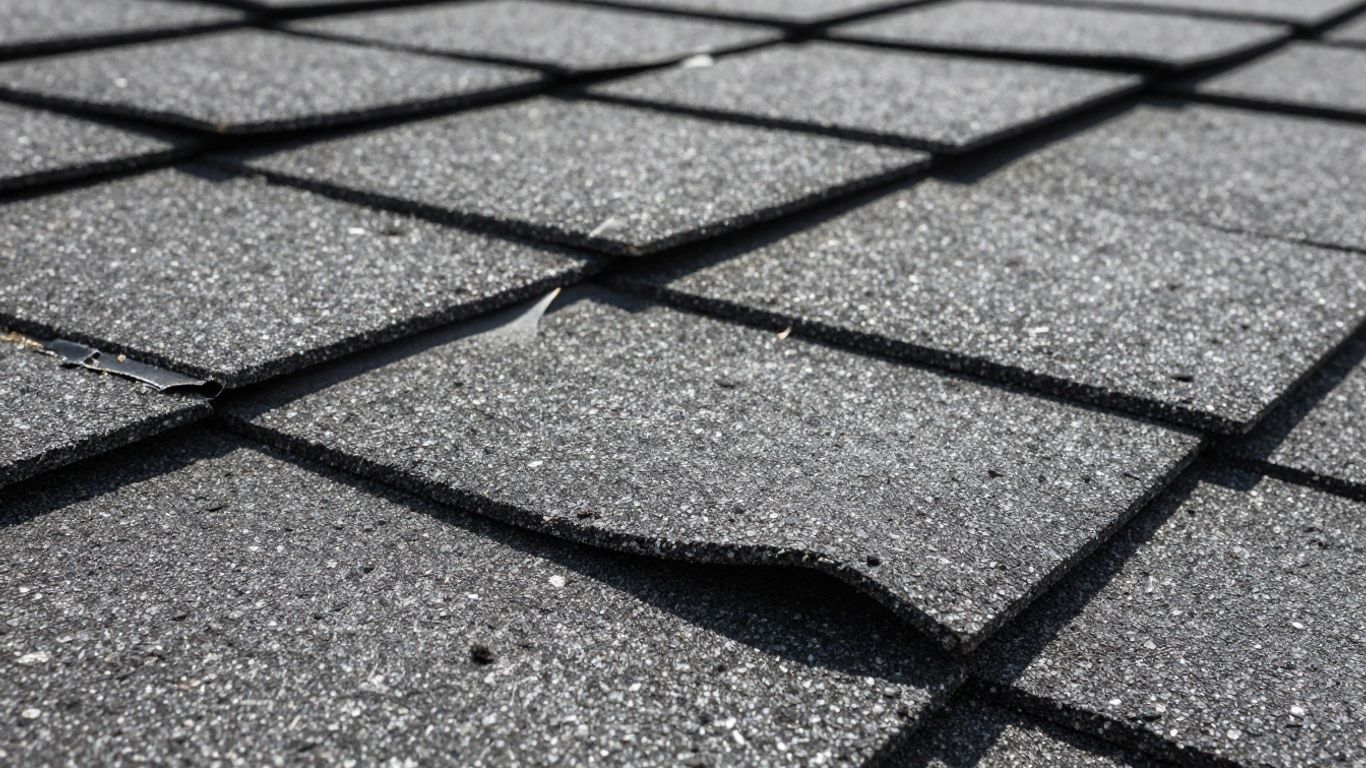
Your roof is like the shield for your home, protecting everything inside from rain, sun, and wind. Over time, even the best roofs start to show their age and wear. Ignoring these signs can lead to bigger, more expensive problems down the road, like water damage or structural issues. It’s important to keep an eye out for these common indicators that your roof might be telling you it’s time for a change.
Visible Damage and Deterioration
Sometimes, the signs are right there for you to see. Look up at your roof from the ground, or even from an upstairs window if you can get a good view. You might notice shingles that aren’t lying flat anymore. They could be curling up at the edges, looking a bit like cupped hands, or maybe they’re cracked. Asphalt shingles have tiny granules that protect them from the sun’s rays; if you see these granules collecting in your gutters, it means the shingles are losing their protective layer and are more vulnerable. You might also see dark streaks, which can be a sign of algae growth, or just a general fading of color.
- Curling or Cupping Shingles: Shingles that lift or curl at the edges are losing their seal and can catch wind.
- Bald Spots: Missing granules mean the shingle is exposed and will degrade faster.
- Cracked Shingles: Dry, brittle shingles are prone to breaking.
- Granules in Gutters: A clear sign that your shingles are wearing out.
Water Intrusion and Moisture Issues
This is probably the most serious sign. If you start seeing water stains on your ceilings or walls, especially after it rains, that’s a big red flag. Water can find its way into your home through tiny openings, and once it gets in, it can cause a lot of damage to your insulation, drywall, and even the wooden structure of your house. Mold can also start to grow in damp areas. In colder months, watch out for ice dams forming along your roof’s edge, which can force water back up under the shingles.
- Ceiling Stains: Dark spots on your ceiling are a direct sign of a leak.
- Damp Attic: Check your attic for any signs of moisture, mold, or dark wood after rain.
- Ice Dams: In winter, these can cause water to back up and leak into your home.
Don’t wait for a small leak to turn into a major disaster. Addressing water issues promptly is key to preventing widespread damage throughout your home.
Frequent Repair Needs
If you find yourself calling a roofing contractor more than once or twice a year for repairs, it might be time to think about the bigger picture. Constantly patching up an old roof can end up costing you more in the long run than replacing it altogether. Think of it like constantly fixing an old car that keeps breaking down – eventually, you’re better off getting a new one. This is especially true if the repairs are for widespread issues rather than isolated incidents. You can explore options for roof replacement when repairs become too frequent.
Sagging or Structural Concerns
This is a sign that your roof might be struggling with its weight or the weight of accumulated moisture or snow. If you notice any areas of your roof that seem to be dipping or sagging, it’s a serious structural concern. This could indicate that the underlying wooden supports are rotting or that the roof deck is compromised. It’s definitely something that needs immediate attention from a professional to assess the safety of your home.
- Visible Sagging: Any dips or low spots in the roofline.
- Soft Spots: Areas that feel soft or spongy when walked on (though walking on a roof is generally not recommended).
- Debris Buildup: Excessive leaves and branches can trap moisture and add weight.
Extending Your Roof’s Service Life
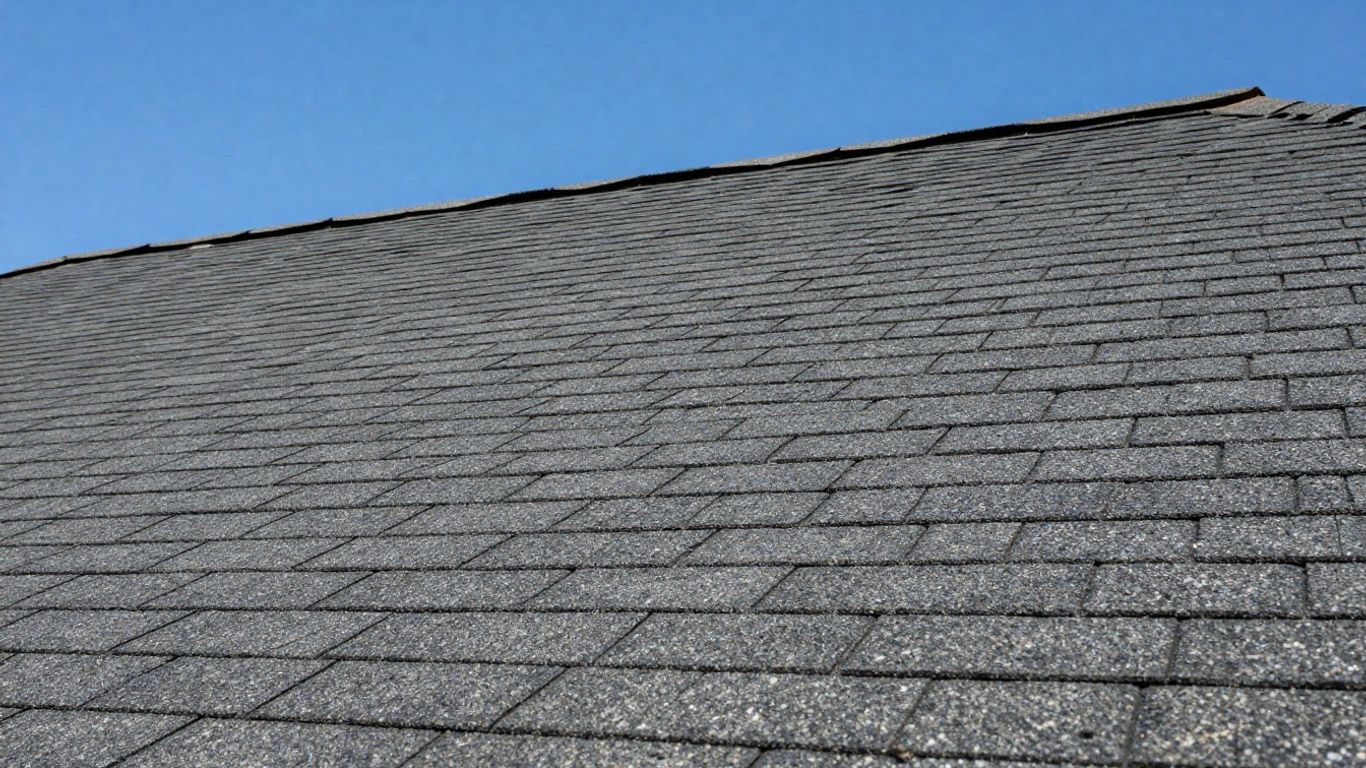
Think of your roof like a car. If you just drive it and never change the oil or check the tires, it’s not going to last as long, right? Your roof is pretty similar. A little bit of attention now and then can make a big difference in how many years you get out of it and save you from some serious headaches down the road.
The Importance of Regular Maintenance
Keeping up with your roof isn’t just about waiting for something to break. It’s about being proactive. Regular check-ups help you catch small issues before they turn into big, expensive problems. We’re talking about things like a few loose shingles, a clogged gutter, or maybe some moss starting to creep in. Catching these early means a simple fix now instead of a major repair or even a full replacement later.
Here’s what regular maintenance can do for you:
- Early Damage Detection: Spotting a cracked shingle or a small leak means you can fix it before water gets in and causes rot or structural damage.
- Longevity: Consistent care helps your roof perform well throughout its expected life, and sometimes even beyond.
- Safety: A well-maintained roof is a safer roof, reducing the risk of collapse or falling debris.
Small problems don’t stay small forever. Addressing them quickly is the smartest way to protect your home and your wallet.
Effective Roof Ventilation Strategies
Your attic needs to breathe. Good ventilation is key to keeping moisture and heat from building up under your roof. When hot air gets trapped, it can damage the roofing materials from the inside out. Too much moisture can lead to rot in the wooden structures. Proper airflow helps regulate the temperature and keeps dampness at bay, which is good for any type of roof, whether it’s steep or flat.
Addressing Algae and Moss Growth
Seeing green stuff on your roof? That’s usually algae or moss. While it might not look great, it can actually do some damage over time. These growths hold onto moisture, which can seep into your shingles and underlayment, leading to rot and deterioration. Plus, they can make roofing materials weaker. It’s best to get rid of them. You can often find gentle cleaning solutions specifically made for roofs, or if you’re not comfortable doing it yourself, a professional can handle it safely.
When to Seek Professional Guidance
Even with regular check-ups and maintenance, there comes a point when you’ll need to call in the pros. Knowing when to get expert advice can save you a lot of headaches and money down the line.
Understanding Your Roof’s Age
If you’re the original owner of your home, you likely know when the roof was put on. But if you’ve bought the house, the roof’s history might be a mystery. Most asphalt shingle roofs last between 15 to 30 years, while metal or tile roofs can go much longer. If your roof is pushing 20 years or more, it’s a good idea to start thinking about its condition, even if it looks okay from the ground. It’s wise to start planning for a replacement when your roof is nearing the end of its expected lifespan.
The Value of Professional Inspections
While you can spot some obvious issues yourself, a professional roofer has the trained eye to see things you might miss. They can get up close (safely!) and check for subtle signs of wear, like cracked shingles, granule loss, or weak spots in the underlayment. Think of it like a doctor’s check-up for your house – better to catch small problems before they become big ones.
Here are a few things a pro will look for:
- Shingle condition: Are they flat, or are they curling, cupping, or cracked?
- Granule loss: Are your gutters filling up with shingle grit?
- Moisture issues: They’ll check attics and around flashing for any signs of leaks.
- Structural integrity: Looking for any sagging or soft spots.
A professional inspection can give you a clear picture of your roof’s health and help you decide between a repair and a full replacement.
Consulting a Roofing Contractor
If you’re seeing signs of trouble, like leaks, missing shingles, or if your roof is just getting old, it’s time to call a contractor. They can assess the situation, explain your options, and give you a realistic quote. Getting work done sooner rather than later can prevent further damage to your home’s structure and interior. Don’t wait until a small problem turns into a major disaster; reach out to a qualified roofing contractor to discuss your roof’s needs.
Wrapping It Up
So, when it comes down to it, your roof is like any other part of your house – it needs a little attention now and then. Knowing what your roof is made of and how old it is gives you a good starting point. Keep an eye out for those tell-tale signs, like leaks or shingles that look a bit sad, because they’re usually trying to tell you something. A little bit of regular maintenance and a quick call to a roofer when you’re unsure can go a long way in keeping your home protected and avoiding bigger headaches down the road. It’s all about being proactive, really.
Frequently Asked Questions
How long can I expect my roof to last?
The lifespan of your roof really depends on what it’s made of. Basic asphalt shingles might last about 15 to 30 years. However, tougher materials like metal or tile can often stay strong for 50 years or even much longer. Good installation and regular care can help your roof last as long as possible.
What are the signs that my roof needs to be replaced?
Keep an eye out for leaks or water stains inside your home, especially after rain. If you notice shingles that are curling, cracked, or missing, or if you see parts of your roof sagging, it’s a clear sign that it’s time to think about a replacement.
Does the weather really affect how long a roof lasts?
Absolutely! Strong winds, heavy snow, hail, and intense sun can all wear down your roof faster. Homes in areas with harsh weather might need roof replacements sooner than those in milder climates. Protecting your roof from the elements is key.
How important is the way the roof was put on?
Installation quality is super important! A roof put on by skilled professionals with the right techniques and materials will almost always last much longer than one that wasn’t installed correctly. Even the best materials can fail if not put on properly.
Can I do anything to make my roof last longer?
Yes, you can! Regular maintenance is your best friend. This includes cleaning your gutters, trimming trees that hang over your roof, and getting professional inspections to catch small problems before they become big ones. Good attic ventilation also helps a lot.
When should I call a professional about my roof?
You should call a professional if you notice any of the signs of a failing roof, like leaks or damaged shingles. It’s also a good idea to get a professional inspection if your roof is getting old, or if you’re thinking about buying or selling a home. They can give you an expert opinion.