Hey there, homeowners! Let’s talk about roofs. You know, that big thing over your head that keeps the rain, sun, and snow out? Yeah, that one. Turns out, they can have their own set of problems. It’s not always a huge disaster, but sometimes little things can turn into bigger headaches if you don’t keep an eye on them. We’re going to go over some of the most common roofing problems homeowners face today, so you know what to look out for. It’s mostly about staying ahead of things, really.
Key Takeaways
- Leaks and water damage are super common, often starting from small issues like bad shingles or clogged gutters, and can lead to mold if not fixed quickly.
- Storms can really mess with your roof, ripping off shingles or causing other damage, so it’s smart to get it checked out after bad weather.
- Shingles don’t last forever; they get old, curl, crack, or lose their protective bits, which means it might be time for repairs or a new roof.
- How a roof is put on matters a lot. Bad installation can cause problems right away, like leaks or tiles blowing off, so pick your contractors wisely.
- Things like poor ventilation, blocked drains, or even moss and algae can cause moisture problems and wear down your roof faster than you’d think.
1. Leaks and Water Damage
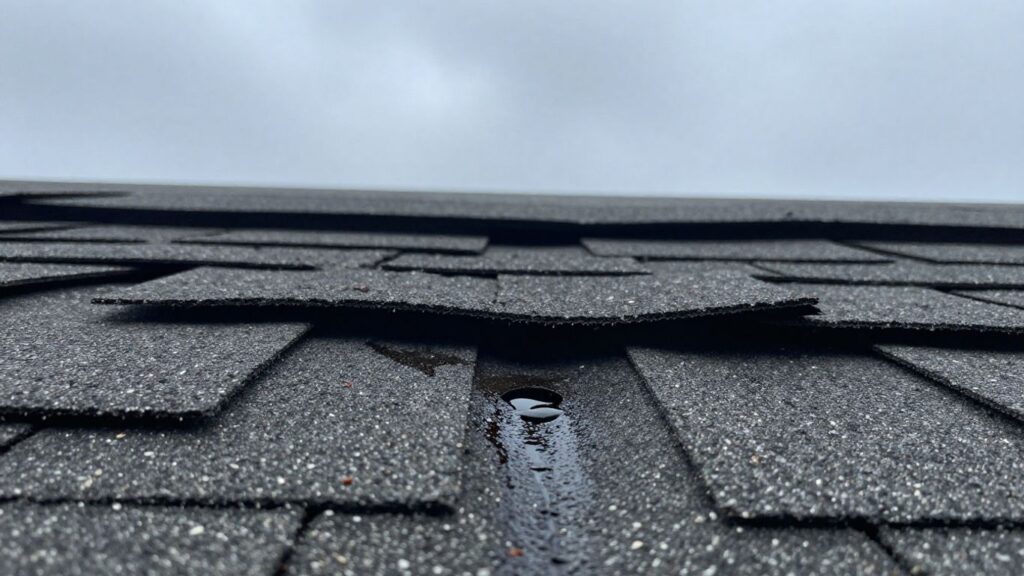
Leaks and water damage are probably the most obvious signs that something’s not right with your roof. You might see damp spots on your ceiling or walls, or maybe even actual drips coming through. This isn’t just an eyesore; it’s a sign that water is finding its way into your home where it shouldn’t be.
Water getting into your home can cause a whole host of problems. It can damage drywall, insulation, and even the wooden structure of your house. Over time, this can lead to mold growth, which is bad for your health and can be really expensive to fix. It’s like a domino effect – a small roof issue turns into a much bigger, more costly problem inside your house.
So, what causes these leaks? It can be a few things. Sometimes it’s a simple matter of missing or cracked shingles that let water seep through. Other times, it might be an issue with the flashing around chimneys or vents that has failed. Even clogged gutters can cause water to back up and find weak spots.
Here are some common places leaks show up:
- Around chimneys and vents
- Underneath damaged or missing shingles
- Where the roof meets a wall (valleys)
- Around skylights
If you notice any signs of water damage, it’s really important to get it checked out by a professional roofer as soon as possible. The longer you wait, the more damage water can do. Think of it like this: a small tear in a raincoat is easy to patch, but if you wear it in a downpour for hours, the water will soak through and ruin everything underneath.
Addressing leaks quickly is key. What might seem like a minor drip today could lead to significant structural damage and mold issues down the line if left unattended. Prompt action saves money and protects your home’s integrity.
Regular roof inspections, especially after severe weather, can help catch these problems early. A good roofer can spot potential issues before they turn into major leaks. It’s a good idea to have your roof checked every few years, or after a big storm, just to be safe. This proactive approach can save you a lot of headaches and money in the long run. You can find out more about how long roofs typically last on roof lifespan pages.
2. Storm Damage
When storms roll through, especially here in [area known for storms], they can really do a number on your roof. We’re talking about strong winds that can lift shingles right off, hail that can dent and crack them, and even flying debris that can cause punctures. It’s not just about the immediate damage, either. Sometimes, a storm might loosen things up, and you won’t see the real problem until later when a leak starts.
After a big storm, it’s a good idea to take a look around your property. See if any shingles have blown off or if there’s any visible damage. Sometimes, hail can leave little circular bruises on shingles that you might not notice right away. These can weaken the shingle over time.
Here are some common signs of storm damage to watch out for:
- Missing shingles
- Cracked or dented shingles
- Granules in your gutters (this means the shingles are wearing down)
- Dents on metal flashing or vents
- Damage to siding or window screens from flying debris
If you suspect your roof has been damaged by a storm, it’s best to get a professional opinion. They can spot issues you might miss and help you figure out if you need repairs or a full roof repair or replacement. Dealing with storm damage quickly can prevent bigger problems down the line, like water getting into your home.
3. Shingle Wear and Tear
Shingles are the first line of defense for your roof, and over time, they just get tired. Think of them like the treads on your car tires – they wear down with use. This ‘wear and tear’ is totally normal, but it’s also a big reason why roofs start to have problems.
What does this look like? Well, you might start seeing shingles that are curling up at the edges, or maybe they’re cracking. Sometimes, you’ll notice spots where the little granules that protect the shingle are missing, leaving them looking bare. These bare spots are a big deal because they expose the shingle material underneath to the sun and rain, which speeds up the damage.
Here are some common signs of shingle wear:
- Curling: The edges of the shingles start to lift or curl upwards.
- Cracking: You’ll see splits or breaks in the shingle material.
- Granule Loss: The tiny, sand-like granules that coat the shingles are missing in patches.
- Bald Spots: Areas where the granules are completely gone, exposing the dark underlayment.
When shingles start showing these signs, it means they’re not doing their job as well as they used to. They can’t shed water effectively anymore, and that’s when leaks can start to happen. It’s like a raincoat with holes – it’s not going to keep you dry.
If you’re noticing these issues, it’s a good idea to get a professional to take a look. They can tell you if it’s time for some repairs or if the whole roof needs to be replaced. Ignoring it just lets the problem get worse, and that usually means more expensive fixes down the road.
4. Poor Installation
Sometimes, even a brand-new roof can cause headaches. This usually comes down to how it was put on in the first place. If the shingles aren’t laid right, or if the flashing isn’t sealed properly, you can end up with leaks and other issues pretty quickly.
It’s not just about aesthetics; a poorly installed roof can lead to bigger problems down the line. Think water getting into your attic, damaging insulation, or even weakening the structure of your home. It’s a bit like building a house of cards – if the base isn’t solid, the whole thing is at risk.
Here are a few common signs that your roof might have been installed incorrectly:
- Leaks appearing soon after installation: If you notice water stains or drips shortly after getting a new roof, that’s a big red flag.
- Uneven or loose shingles: Shingles that look out of place, are lifting, or seem loose could indicate they weren’t secured properly.
- Visible gaps or poor sealing: Take a look at areas like vents, chimneys, and edges. If you see gaps where there shouldn’t be any, or if the sealant looks messy, it’s a concern.
- Water pooling: As mentioned elsewhere, water shouldn’t sit on your roof. Poor installation can sometimes lead to improper drainage slopes.
Choosing a qualified and experienced roofing contractor is your best defense against installation problems. Do your homework, check reviews, and get multiple quotes before making a decision. A little extra effort upfront can save you a lot of trouble later on.
5. Flashing Issues
You know those metal strips around your chimney, vents, or skylights? That’s flashing. Its main job is to create a watertight seal where different roof parts meet, or where something sticks out of the roof. Think of it like a raincoat for those vulnerable spots.
When flashing isn’t installed right, or if it gets damaged over time, it’s a pretty common reason for leaks. Water can find its way in through even tiny gaps. This is especially true if the flashing is old and has started to rust or crack. You might notice damp spots on your ceiling, particularly around chimneys or vents, which is a big clue that your flashing might be the culprit.
Here’s a quick rundown of why flashing matters and what can go wrong:
- Purpose: Seals joints and penetrations to stop water entry.
- Common Problems: Cracks, rust, loose sections, improper overlap, or incorrect material for the roof type.
- Consequences: Leaks, water damage to the roof deck and interior, mold growth.
If you suspect your flashing is causing problems, it’s best to get a professional roofer to take a look. They can spot issues you might miss and fix them properly, often by repairing or replacing the damaged sections. Using the right type of flashing for your specific roof and the element it’s sealing is key to preventing future headaches.
6. Pooling Water
You know how water always finds the lowest point? Well, your roof is supposed to be designed so that water doesn’t just sit there. It should flow off, usually into your gutters and downspouts. When you see puddles or standing water on your roof, that’s a red flag.
This usually happens because the roof isn’t sloped correctly, or maybe something is blocking the drainage system. Flat roofs, especially in areas with a lot of rain, are more prone to this if they aren’t designed with proper drainage in mind. It’s not just an eyesore; that extra weight from the water puts a strain on your roof structure. Plus, it gives water more time to find any tiny cracks or weak spots to seep through, potentially causing damage inside your home.
Here’s what you should know about pooling water:
- It adds weight: Standing water is heavy. A roof is built to handle a certain load, and pooling water can exceed that, especially after heavy rain or snow.
- It speeds up decay: Constant moisture exposure can break down roofing materials faster, leading to rot and leaks.
- It signals a drainage issue: The water isn’t going where it’s supposed to, which points to a problem with the roof’s design or its gutters and downspouts.
If you notice water sitting on your roof, don’t ignore it. It’s a sign that something isn’t right with how your roof is shedding water, and it needs a professional to take a look before it becomes a bigger problem.
If you see water pooling, the best thing to do is call a roofing professional. They can figure out why it’s happening – maybe it’s a design flaw, or perhaps the gutters are clogged with leaves and debris. Whatever the reason, getting it fixed quickly will save you a lot of headaches down the road.
7. Maintenance
Think of your roof like your car. You wouldn’t just drive it until it breaks down, right? You get the oil changed, check the tires, and do all that stuff to keep it running smoothly. Your roof needs that same kind of attention. Skipping regular check-ups is a surefire way to turn a small issue into a big, expensive headache.
Regular maintenance is all about catching problems early. We’re talking about things like looking for shingles that are cracked, curled, or missing altogether. It also means keeping an eye out for any gunk building up in your gutters or any strange spots on your shingles. A quick look-see every so often can save you a lot of trouble down the road.
Here’s a simple checklist for what to keep in mind:
- Visual Inspection: Take a walk around your property and look up. Can you see any shingles that look out of place, damaged, or are missing granules?
- Gutter Check: Make sure your gutters aren’t clogged with leaves, twigs, or other debris. Clogged gutters can cause water to back up and pool, which is bad news for your roof and foundation.
- Look for Debris: Keep an eye out for branches, leaves, or anything else that might be sitting on your roof for too long. This stuff can trap moisture and cause damage.
Ignoring your roof’s needs is like playing a game of chance. You might get away with it for a while, but eventually, the odds catch up to you, and the repairs get much more serious (and costly).
If you’re not comfortable getting up on a ladder or just don’t have the time, that’s totally fine. Hiring a professional roofer for an annual inspection is a smart move. They know what to look for and can spot issues you might miss. It’s a small investment that can prevent major expenses later on.
8. Insulation Problems
Think about your attic insulation like a blanket for your house. If that blanket is too thin, has holes, or isn’t spread out evenly, your home is going to lose a lot of heat, especially in the winter. It’s estimated that a huge chunk of heat loss, sometimes up to 85%, happens right through the attic. So, when your insulation isn’t doing its job, your heating system has to work overtime, and that means higher energy bills.
Several things can mess with your insulation:
- Compression: Ever stored boxes or walked on your attic insulation? Doing that squishes it down, making it less effective. It’s like trying to stay warm under a flattened blanket – not very good.
- Settling: Over many years, insulation can settle and compact on its own, creating gaps where warm air can escape.
- Moisture: If there’s a leak or high humidity in the attic, the insulation can get wet. Wet insulation doesn’t insulate well at all and can even lead to mold.
- Inadequate Amount: Sometimes, the initial installation just didn’t put enough insulation in. Building codes change, and what was considered enough years ago might not be today.
Fixing insulation issues is usually pretty straightforward. If it’s compressed or has settled, the best bet is often to replace it with fresh material. If you’re adding insulation or having work done in the attic, be mindful of where you step and store things. It’s always a good idea to talk to a roofing contractor or an insulation specialist to see if your attic has the right amount and type of insulation for your home’s needs. They can help you figure out the best way to keep your home cozy and your energy bills down.
Proper attic insulation is key to maintaining a comfortable home temperature and keeping energy costs in check. Don’t overlook its importance when thinking about your roof’s overall health.
9. Ventilation
Think of your roof’s ventilation system like your home’s lungs. It’s not just about keeping things cool in the summer; it’s a year-round job that plays a big part in keeping your roof healthy and your home comfortable. Proper airflow in your attic helps manage moisture and temperature, which can prevent a whole host of problems down the line.
When ventilation is off, moisture can get trapped. This is bad news because it can lead to mold and mildew growth, which isn’t great for your health or your home’s structure. It can also cause wood rot in your attic framing. In the winter, poor ventilation can contribute to ice dams forming on your roof’s edge, which can then lead to water backing up and leaking into your home. Plus, a poorly ventilated attic makes your heating and cooling systems work harder, costing you more on energy bills.
So, what does good ventilation look like? Generally, it involves a balance of intake vents (often near the eaves or soffits) and exhaust vents (usually near the roof’s peak or ridge). This setup allows fresh air to enter and warm, moist air to escape.
Here are a few signs that your roof might not be getting enough air:
- High energy bills: Your HVAC system is working overtime to compensate for heat buildup.
- Mold or mildew: You notice musty smells or visible signs of growth in the attic.
- Ice dams: Water freezing and thawing along your roofline, causing potential damage.
- Warped or damaged shingles: Extreme temperature fluctuations can take a toll.
If you suspect your home’s ventilation isn’t up to par, it’s a good idea to have a roofing professional take a look. They can assess your current system and recommend solutions, which might include adding vents or ensuring existing ones aren’t blocked.
A well-ventilated attic helps regulate temperature and moisture, preventing issues like mold, rot, and ice dams, while also improving energy efficiency. It’s a simple system with a big impact on your home’s health.
10. Moss and Algae Growth
Seeing green fuzzy stuff or dark streaks on your roof? That’s likely moss and algae, and while it might look kind of natural, it’s actually a problem for your shingles.
These growths love damp, shady spots. They hold onto moisture, which can slowly break down your shingles over time. Think of it like a tiny, persistent sponge sitting on your roof, keeping things wet when they should be drying out. This trapped moisture can also work its way under your shingles and into the roof deck, leading to rot and other issues.
Here’s why it’s a concern:
- Shingle Damage: Moss can lift shingles, allowing water to seep underneath. Algae, often seen as black or green streaks, can actually eat away at the protective granules on asphalt shingles.
- Reduced Lifespan: Constant moisture and the breakdown of materials mean your roof won’t last as long as it should.
- Aesthetic Issues: Let’s be honest, a mossy roof doesn’t look great and can make your whole house seem a bit neglected.
Dealing with moss and algae is mostly about prevention and regular cleaning. Keeping your gutters clear helps water drain properly, reducing damp areas where these growths thrive. Trimming back overhanging tree branches can also help by letting more sunlight reach the roof, drying it out faster.
If you notice significant growth, it’s best to have it cleaned by a professional. They have the right tools and cleaning solutions that won’t harm your shingles. Trying to scrub it off yourself with harsh chemicals or a pressure washer could end up causing more damage than the moss itself.
Regular inspections, especially after rainy seasons, can help you catch these issues early before they become a bigger headache.
11. Ice Dams and Snow Buildup
Winter can be tough on your roof, and one of the biggest headaches homeowners face is ice dams. You know, those chunky ridges of ice that form along the edge of your roof? They’re not just unsightly; they can cause some serious damage.
Basically, an ice dam happens when snow on your roof melts and then refreezes near the edge. This creates a barrier that traps more melting water. This trapped water can then back up under your shingles and seep into your home, leading to leaks and damage to your insulation, walls, and ceilings. It’s a real pain, and can get expensive if you don’t catch it.
Here’s why they form and what you can do:
- Uneven Roof Temperature: Heat escaping from your attic warms the roof surface. This causes snow to melt. When the meltwater hits the colder eaves (the edge of the roof), it freezes, building up the dam.
- Poor Insulation: If your attic isn’t well-insulated, heat can easily transfer from your living space to the roof.
- Inadequate Ventilation: Proper attic ventilation helps keep the roof surface temperature more consistent, reducing the chance of melting and refreezing.
Dealing with ice dams often involves a few steps. First, safely removing the snow from your roof’s edge can help prevent them from forming in the first place. You can also try using a roof rake, but be careful not to damage your shingles. For a more long-term solution, improving your attic’s insulation and ventilation is key. This helps keep the roof deck cold, preventing snow from melting in the first place.
Addressing ice dams and snow buildup is really about managing heat loss and moisture. It’s not just about the snow on top; it’s what’s happening inside your attic that often causes the problem.
If you’re seeing signs of ice dams, like water stains inside your home or icicles hanging from your gutters, it’s a good idea to get a professional to take a look. They can assess your attic insulation and ventilation and recommend the best course of action to prevent future problems.
12. Damage from Trees
Trees are beautiful, but they can also be a real headache for your roof. It’s not just about those dramatic moments when a big branch crashes down, though that definitely happens. Even smaller branches, if they’re constantly rubbing against your shingles, can wear away that protective top layer over time. Think of it like a constant, gentle abrasion. This can make your shingles weaker and more likely to fail.
What can you do about it? Well, the best defense is a good offense. Keep an eye on the trees around your house. If branches are growing too close or directly over your roof, it’s probably a good idea to get them trimmed back. This is especially important before bad weather hits, like strong winds or heavy snow, when those branches are more likely to break.
Here are a few things to watch out for:
- Overhanging Branches: Branches that stretch directly over your roof are the most obvious culprits.
- Rubbing Branches: Even if they don’t touch the roof directly, branches that sway in the wind and brush against the shingles can cause damage.
- Debris Accumulation: Leaves and twigs can build up on your roof, especially around gutters, trapping moisture and potentially leading to rot or other issues.
If you notice any damage, or even just suspect it, it’s best to call a roofer. They can assess the situation, tell you how bad it is, and give you a quote for repairs. Sometimes, your homeowner’s insurance might even cover damage caused by trees, but you’ll definitely need to check your policy to be sure.
Keeping trees trimmed back from your roof isn’t just about preventing immediate damage; it’s also about reducing the risk of moisture getting trapped and causing problems down the line. It’s a simple step that can save you a lot of trouble.
13. Punctures & Penetrations
Sometimes, things just poke holes in your roof. It might be a stray tree branch that snaps off in a storm, or maybe some debris gets blown around by strong winds and lands just right. While a big branch falling on your house is pretty obvious, other times the damage can be a bit more subtle. You might not even notice it until you see a leak.
These aren’t the most common issues homeowners deal with, but they can definitely happen. Think about anything that sticks out of your roof – vents, skylights, chimneys. If these aren’t sealed up properly, they can become weak spots. Even something as small as a nail that wasn’t hammered in all the way can eventually cause a problem.
What can you do about it?
- Keep an eye out: After a big storm, take a quick look at your roof if it’s safe to do so. See if anything looks out of place or if there are any new holes.
- Trim back trees: If you have branches hanging low over your roof, consider trimming them back. It’s a simple step that can prevent a lot of potential damage.
- Regular check-ups: Just like you get your car serviced, your roof can benefit from regular inspections by a professional. They can spot small issues before they become big ones.
If you do notice a puncture or suspect something has penetrated your roof, it’s best to call a roofer. They can assess the damage and make the necessary repairs to keep your home protected from the elements.
14. Aging Roof
Roofs don’t last forever, and just like anything else, they get old. An aging roof is one of the most common reasons homeowners face roofing problems. You might start noticing things like shingles that are curling up at the edges, or maybe some are just missing altogether. Sometimes, you can even see a bit of sagging in the roofline, which is a pretty clear sign that the structure underneath isn’t as strong as it used to be.
When a roof gets old, its materials start to break down. Shingles lose their protective granules, making them more vulnerable to the weather. This wear and tear means that what was once a solid barrier against rain and wind starts to develop weak spots. It’s like an old coat that’s served you well but is finally starting to fray and let the cold in.
Here are some signs your roof might be getting on in years:
- Curling or cracking shingles
- Missing shingles
- Granules collecting in your gutters
- Visible sagging in the roofline
- Frequent leaks or water spots inside
When your roof reaches the end of its lifespan, trying to patch it up repeatedly can become a losing battle. It’s often more practical and cost-effective in the long run to consider a full replacement. A new roof not only fixes current issues but also adds value and appeal to your home.
If you’re seeing a lot of these signs, it’s probably time to have a professional take a look. They can tell you if it’s something that can be fixed or if it’s time for a whole new roof. Getting ahead of an aging roof can save you a lot of headaches and potential water damage down the road.
15. No Chimney Cricket
You know, sometimes the smallest details make the biggest difference on a roof. One of those details is a chimney cricket. If you have a chimney that’s wider than about 30 inches, it really should have one of these.
What’s a chimney cricket, you ask? Think of it as a small, sloped structure built behind the chimney. Its main job is to help water and snow slide off the roof and away from the chimney base, kind of like a tiny roof for your chimney.
Why is this so important?
- Keeps Water Moving: It directs water flow away from the chimney and towards your gutters, preventing it from pooling.
- Prevents Rot: Without a cricket, water can get trapped around the chimney base, leading to wood rot and decay over time.
- Reduces Ice Buildup: In colder climates, it helps prevent ice dams from forming right at the chimney.
If your chimney is wide and doesn’t have a cricket, or if it was installed incorrectly, you might start seeing damp spots around the chimney area inside your house. This is a sign that moisture is getting in where it shouldn’t be.
When you’re getting any work done on your roof or chimney, always make sure you’re hiring a qualified contractor. It’s worth the extra effort to find someone reputable who knows these details.
If you notice any signs of water damage around your chimney, it’s a good idea to have a roofer check it out. They can tell you if a cricket is missing or needs repair, and get things sorted before it becomes a bigger problem.
16. Membrane Shrinkage
You know how sometimes things just get smaller over time? Well, the protective membrane under your shingles can do that too. It’s usually due to sun exposure, specifically the UV rays. Over years of being out there, that membrane can start to shrink.
When this happens, it can pull the shingles with it, making them lift or separate from the roof deck. It’s not something you’ll likely notice right away, but it’s a problem that can lead to bigger issues down the line, like water getting into your roof structure.
Think of it like a rubber band left out in the sun for too long; it gets brittle and shrinks. The same principle applies here, though it’s a bit more serious for your home’s protection.
Here’s what you might see:
- Shingles looking a bit "cupped" or lifted at the edges.
- Gaps appearing between shingles, especially near the edges of your roof.
- Increased vulnerability to wind lifting shingles.
If you suspect your roof’s membrane is shrinking, it’s best to get a professional roofer to take a look. They can assess the situation and tell you if it’s time for repairs or a replacement. Trying to fix this yourself is usually not the best idea because it involves getting right down to the roof’s structure.
While not all membrane materials are prone to shrinking, choosing quality materials during installation or replacement is a good first step in preventing this issue. Regular roof maintenance also helps catch problems early.
17. Blocked Drainage
You know how gutters are supposed to carry water away from your house? Well, when they get clogged up, that whole system breaks down. Leaves, moss, twigs – you name it, stuff can build up in there and stop the water from flowing.
This blockage means water has nowhere to go. It starts to sit there, or worse, it backs up. This pooling water can then find its way into places it really shouldn’t be, like under your shingles or even into your attic. It’s a common issue, and one that can lead to bigger problems if you don’t deal with it.
Here’s what usually happens:
- Gutters and Downspouts Clog: Debris accumulates, preventing water flow.
- Water Pools on the Roof: Instead of draining, water sits on the roof surface.
- Damage Occurs: This can include leaks, rot, and damage to the roof structure.
Ignoring clogged gutters is like leaving a leaky faucet on – it might seem small at first, but it can cause a lot of damage over time. Regular checks and cleanings are key to keeping your roof healthy.
So, what’s the fix? For homeowners, the simplest solution is to keep those gutters clean. You can do it yourself, or hire someone to come out a couple of times a year, especially after leaves have fallen. If you notice water backing up or overflowing, it’s time for a cleaning.
18. Moisture & Water Damage
Moisture and water damage often shows up as a symptom of other roofing issues, but it’s usually the most obvious sign that something’s not right. You might see damp spots on your attic walls or around pipes, or maybe even actual drips coming through.
This kind of damage isn’t just about a little wetness; it can lead to bigger, more expensive problems if left unchecked. Think about mold growth, rot in your wooden structures, and even damage to your home’s insulation, which makes it less energy-efficient.
Here’s what you can do if you suspect moisture or water damage:
- Inspect Regularly: Keep an eye out for any new stains or damp areas, especially after heavy rain or storms.
- Check Gutters and Downspouts: Make sure they are clear of debris so water can flow away from your house properly.
- Look for Obvious Roof Issues: See any missing shingles, cracked tiles, or damaged flashing? These are common culprits.
Addressing moisture and water issues quickly is key. What might seem like a small leak today can turn into a major structural problem down the line, affecting everything from your drywall to the very frame of your house. It’s always better to get it checked out sooner rather than later.
If you spot any signs of water damage, don’t wait. Call a local roofing professional right away. They can help pinpoint the source of the problem, whether it’s a small crack, faulty flashing, or something else, and get it fixed before it causes more trouble.
19. Wind, Rain, and Snow Damage
Weather can really do a number on your roof. We’re talking about the strong winds, the heavy rains, and the piles of snow that can pile up, especially in certain parts of the country. It’s not just about a little bit of wear and tear; these elements can cause some serious problems if your roof isn’t up to the task.
Think about high winds. They can lift shingles right off your roof, leaving the underlayment exposed to whatever comes next. Sometimes, wind can even drive rain underneath those lifted shingles, leading to leaks. Then there’s the rain itself. While roofs are designed to shed water, persistent heavy downpours or rain driven by wind can find weak spots. This is especially true if your gutters are clogged and water can’t drain away properly, causing it to back up against your roof edges.
And snow? It’s not just the weight. When snow melts and then refreezes, it can form ice dams. These dams prevent melting snow from draining off your roof, forcing water to pool and potentially seep under shingles or into your home. This cycle of freezing and thawing can be really tough on roofing materials over time.
Here are some common ways weather impacts your roof:
- Shingle Damage: High winds can lift, tear, or completely remove shingles. Hail, often accompanying storms, can cause dents or cracks.
- Flashing Issues: Wind and rain can dislodge or damage the metal flashing around chimneys, vents, and valleys, creating entry points for water.
- Debris Impact: Storms can blow branches or other debris onto your roof, causing punctures or breaking shingles.
- Ice Dams: Snowmelt refreezing at the roofline traps water, leading to leaks and potential damage to shingles and the roof deck.
It’s important to remember that even if you don’t see immediate leaks, weather-related damage can weaken your roof over time. Regular inspections are key to catching these issues early. After a big storm, it’s a good idea to give your roof a look, or better yet, have a professional do it. They can spot problems you might miss, like subtle damage to shingles or flashing.
The cumulative effect of wind, rain, and snow can be more damaging than a single event. Each storm, each freeze-thaw cycle, adds a little more stress, slowly compromising your roof’s integrity until a more significant problem arises.
20. Inadequate Ventilation
Think of your attic like your home’s brain – it needs to breathe! Proper ventilation is super important for keeping your roof healthy and your home comfortable. When air can’t move freely in the attic space, heat and moisture get trapped.
This trapped stuff can really mess with your roof over time. It can lead to dampness, which is a breeding ground for mold and mildew. Plus, all that extra heat can make your shingles age faster and even damage the roof deck. On the flip side, in the winter, poor ventilation can contribute to ice dams forming, which we’ve talked about elsewhere.
So, what does good ventilation look like? It’s all about creating a pathway for air to flow. Typically, this means having vents near the bottom of the roof (like soffit vents) and vents near the top (like ridge vents). This setup allows cooler, drier air to enter and warmer, moist air to escape.
Here are a few signs that your attic might not be getting enough fresh air:
- You notice damp spots or mold growth in the attic.
- Your energy bills seem higher than they should be, especially in summer.
- You see signs of heat damage on your shingles or roof deck.
- Ice dams are a recurring problem in the winter.
If you’re noticing any of these issues, it’s a good idea to have a roofing professional check out your attic’s ventilation system. They can figure out if there’s a blockage or if the system just isn’t designed correctly for your home. Sometimes, a simple fix like adding a few vents can make a big difference.
A well-ventilated attic helps regulate temperature and moisture, protecting your roof structure from damage and keeping your home more energy-efficient year-round. It’s a key part of a healthy roofing system that often gets overlooked.
Don’t underestimate the power of good airflow. It’s a simple concept, but it plays a huge role in the longevity and performance of your entire roof.
21. Faulty Roof Installation
Sometimes, even with the best materials, a roof can run into trouble right from the start. This usually happens when the installation itself wasn’t done quite right. Think of it like building a house of cards – if the first few cards aren’t placed perfectly, the whole thing is wobbly.
When a roof isn’t installed correctly, you might notice issues pretty quickly after it’s done. This could be anything from shingles that aren’t quite sealed down properly, leaving them open to wind, to tiles that are just a bit out of place. These small mistakes can let water sneak in, leading to bigger problems down the road.
Here are a few common signs that your roof installation might have been faulty:
- Leaks: Water showing up inside your home, especially after rain, is a big red flag.
- Damp spots: You might see wet patches on your ceiling or walls, particularly around areas like the chimney or vents.
- Loose or missing shingles: If you see shingles that look like they’re lifting up or have blown off entirely, that’s a clear sign something’s wrong.
- Uneven appearance: The roof might just look ‘off’ – maybe some tiles are higher than others, or there are visible gaps.
It’s really important to hire experienced and reputable roofers for the job. A good installation is the foundation for a roof that lasts and protects your home properly. Don’t be afraid to ask for references or check reviews before you hire someone.
If you suspect your roof was installed poorly, the best thing to do is contact the company that did the work. A good contractor will want to come back and fix any mistakes they made, especially if the problem is new. Catching these issues early can save you a lot of headaches and money in the long run.
22. Cracks
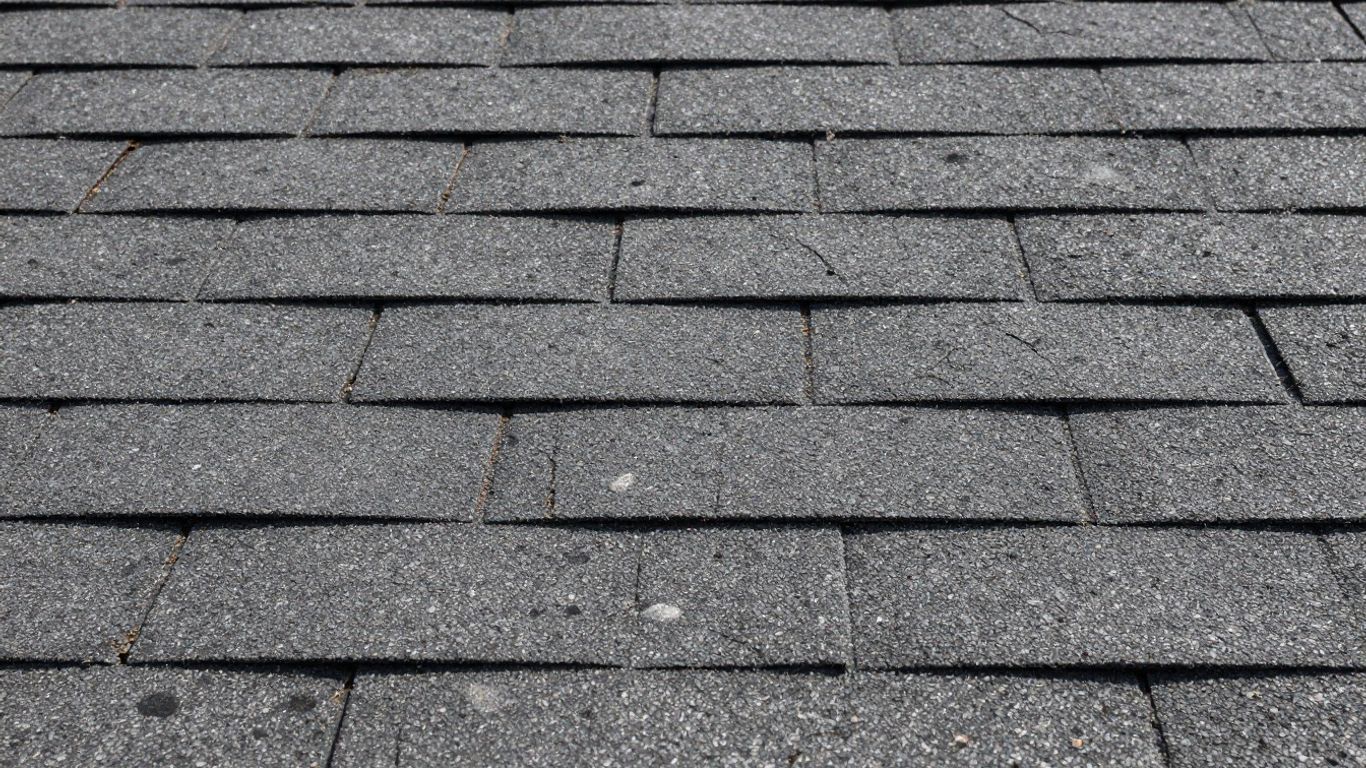
Cracks in your roof might not seem like a big deal at first glance, but they can quickly turn into a major headache. Think of them like tiny little openings that let all sorts of unwanted things into your home.
These cracks can show up in a few different places. You might see them on your shingles, especially if they’re getting old or have been through a lot of weather. Sometimes, the "underlayment" – that layer beneath the shingles – can crack too. And don’t forget about the "decking," the solid wood part of your roof structure; it can develop cracks if it gets too wet or starts to rot.
What happens when you have cracks?
- Water Intrusion: This is the most obvious one. Rainwater can seep through cracks, leading to leaks inside your attic and eventually damaging your ceilings and walls.
- Pest Problems: Small cracks can be an invitation for insects and even small animals to make a home in your roof space.
- Weakened Structure: Over time, cracks can compromise the integrity of your roofing materials, making them more susceptible to further damage from wind or snow.
It’s easy to overlook a small crack, especially if it’s not directly over a room where you spend a lot of time. But even a small opening can let in moisture, which can then spread and cause rot or mold issues that are much harder and more expensive to fix later on.
Keeping an eye on your roof’s condition and addressing any signs of cracking, no matter how small, is a smart move. It’s all about preventing bigger problems down the road. A quick repair now can save you a lot of trouble and money later.
23. Sagging
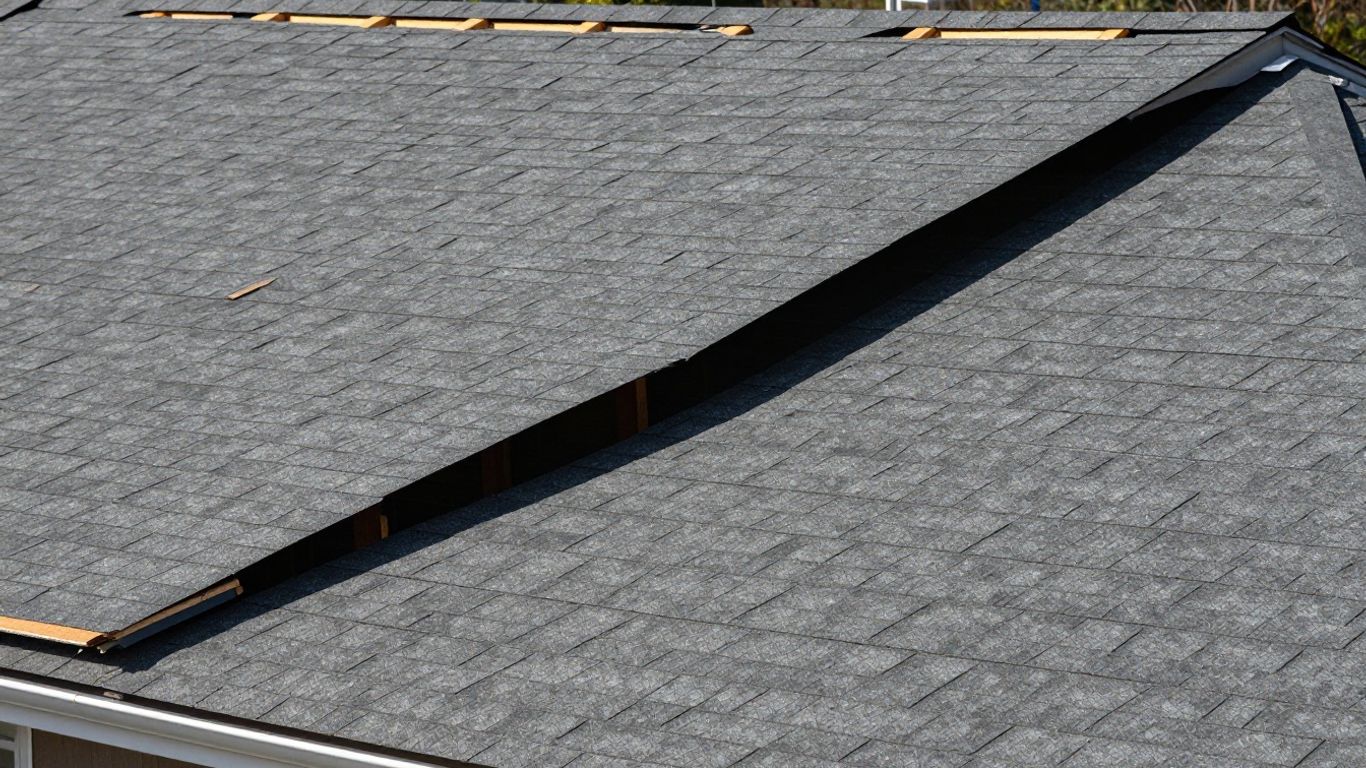
A sagging roof might not seem like a big deal at first glance, maybe just an eyesore. But honestly, it’s one of those things you really shouldn’t ignore. It’s a clear sign that something’s not right up there, and it could lead to bigger, more expensive problems down the road.
Think of your roof like the skin on an apple. If it starts to droop, it means the structure underneath isn’t holding up like it should. This can happen for a few reasons. Sometimes, it’s just age – the materials have gotten old and lost their strength. Other times, it could be water damage. If water gets trapped and can’t drain properly, it can weaken the roof’s structure over time. Heavy snow loads can also put a lot of stress on a roof, especially if it wasn’t built to handle that kind of weight.
Here are some common culprits behind a sagging roof:
- Water Damage: Persistent leaks or poor drainage can saturate the roof decking and supporting structures, causing them to rot and lose their integrity.
- Structural Issues: Problems with the rafters or trusses, the beams that support the roof, can lead to sagging if they are damaged, improperly installed, or not strong enough for the roof’s weight.
- Age and Wear: Like anything, roofing materials degrade over time. As shingles age, they can lose their protective qualities, and the underlying layers can become compromised, leading to a loss of support.
- Heavy Snow or Ice: In areas with significant winter weather, the weight of accumulated snow and ice can put immense pressure on a roof, potentially causing it to sag if it’s not designed to withstand such loads.
Ignoring a sagging roof is like ignoring a creaky floorboard in your house. It might just be a minor annoyance now, but it’s a warning sign that the foundation of your home’s protection is weakening. Addressing it early can save you a lot of headaches and money later on.
If you notice your roof starting to dip or sag in any area, it’s time to call in a professional roofer. They can figure out exactly what’s causing the problem and recommend the best way to fix it, whether that’s reinforcing the structure, replacing damaged sections, or even a full roof replacement if the damage is too extensive. Getting it checked out sooner rather than later is always the smartest move.
24. Granule Loss
You know those little pebbles that cover your shingles? They’re called granules, and they’re super important. They act like sunscreen for your roof, protecting the asphalt underneath from the sun’s harsh rays. When you start seeing a lot of these granules collecting in your gutters or downspouts, it’s a clear sign that your shingles are losing their protective layer.
This isn’t just about looks; it’s a sign of wear and tear that can lead to bigger problems down the road. Think of it like your skin getting sunburned – eventually, it can lead to damage. For your roof, this means the asphalt can dry out, crack, and become more vulnerable to leaks and other issues.
What causes this granule loss?
- Age: Like everything, shingles get old. As they age, the asphalt binder that holds the granules in place starts to break down.
- Weather: Extreme temperatures, heavy rain, and even hail can knock granules loose.
- Foot Traffic: Walking on your roof, even for simple inspections, can dislodge granules.
- Harsh Cleaning: Using a pressure washer or stiff brushes can strip away the granules.
It’s a good idea to keep an eye on your gutters. If you notice a significant amount of granules, especially after a storm or if your roof is getting up there in age, it’s time to think about getting it checked out. A professional can assess the extent of the loss and advise on whether a repair or replacement is needed.
Losing granules means your shingles are working harder to protect your home. If left unaddressed, this can shorten the lifespan of your roof and potentially lead to water damage inside your house.
25. Granule Loss and More
You know those little pebbles that cover your shingles? They’re called granules, and they’re super important. They act like sunscreen for your roof, protecting the asphalt underneath from the sun’s harsh rays. When you start seeing a lot of these granules in your gutters or around your downspouts, it’s a pretty clear sign that your shingles are wearing out.
This granule loss isn’t just about looks; it means your shingles are losing their protective layer. Over time, this can lead to the asphalt drying out and cracking, making your roof more vulnerable to leaks and other damage. Think of it like a sunburn – it’s the first step towards more serious skin issues if you don’t take care of it.
What else can go wrong? Well, sometimes it’s not just granule loss. You might notice shingles curling up at the edges, or maybe they’re just looking brittle and worn. These are all signs that your roof is getting older and might need some attention.
- Curling Shingles: Edges lifting or curling can let wind and water get underneath.
- Cracked Shingles: Brittle shingles can crack, creating openings for moisture.
- Bald Spots: Areas where granules are completely gone expose the shingle’s core.
Ignoring these signs is like ignoring a small leak in your plumbing – it might seem minor now, but it can quickly turn into a much bigger, more expensive problem down the road. Regular checks can catch these issues early.
If you’re seeing a lot of granule loss or noticing these other signs of wear, it’s probably time to get a professional opinion. A roofer can assess the overall condition of your roof and let you know if it’s time for repairs or a full replacement. It’s better to deal with it sooner rather than later to keep your home protected.
Wrapping Things Up
So, we’ve gone over a bunch of common roof issues homeowners run into, like leaks, storm damage, and even just plain old wear and tear. It can feel like a lot, right? But the good news is, most of these problems can be avoided or fixed if you catch them early. Keeping an eye on your roof, doing some basic checks now and then, and calling in a pro when you see something off can save you a ton of headaches and money down the road. Think of it like taking care of your car – a little regular attention goes a long way in keeping things running smoothly and preventing a breakdown.
Frequently Asked Questions
What are the most common signs of a leaky roof?
Look for water spots on your ceiling or walls, especially after it rains. You might also notice peeling paint, damp attic spaces, or mold and mildew growth. Sometimes, you can even see actual drips of water!
How does storm damage affect my roof?
Strong winds can lift or even blow off shingles, leaving your roof exposed. Heavy rain can worsen existing leaks, and falling debris from storms can cause cracks or punctures. It’s always a good idea to check your roof after a big storm.
Why is roof maintenance so important?
Regular check-ups help catch small problems before they become big, expensive ones. Things like missing shingles, moss buildup, or clogged gutters can lead to leaks and other damage if ignored. Think of it like going to the doctor for a check-up to stay healthy!
What can cause shingles to wear out?
Shingles can get worn out over time due to age, weather like sun and rain, or even physical damage. You might see them curling at the edges, cracking, or losing their protective granules, which makes them less effective at keeping water out.
How does poor ventilation cause roof problems?
Good airflow in your attic helps control moisture and heat. If ventilation is bad, moisture can build up, leading to mold and making your roof materials rot faster. It also makes your home less energy-efficient because heat escapes easily.
What is flashing and why does it matter?
Flashing is the material used around areas where the roof meets things like chimneys, vents, or skylights. Its job is to prevent water from getting in. If flashing is damaged, cracked, or installed incorrectly, it’s a common spot for leaks to start.