Your roof does a lot of work, keeping you and your home safe from the elements. But sometimes, it needs a little help. You might not notice small problems until they become big, expensive ones. It’s like that weird noise your car started making – you ignore it, and suddenly you’re stuck on the side of the road. Well, your roof can’t exactly pull over. So, knowing the common roof damage signs to look for is pretty important. We’ll go over some of the tell-tale signs that your roof might be trying to tell you something’s up, before it turns into a real emergency.
Key Takeaways
- Keep an eye out for obvious problems like missing or damaged shingles, and look for areas where the roofline seems to sag.
- Check inside your home, especially the attic and ceilings, for any signs of water stains or mold, which can point to leaks.
- Pay attention to your energy bills; a sudden jump could mean your roof isn’t insulating your home properly anymore.
- Don’t forget to inspect your gutters for debris or damage, as they can give clues about water drainage issues on your roof.
- If you notice any of these roof damage signs to look for, it’s best to call a professional to get it checked out sooner rather than later.
Spotting Visible Roof Damage Signs
Your roof is like the shield for your entire house, and sometimes, it shows battle scars. You don’t always need to be a roofing expert to spot trouble. Just taking a good look from the ground or a safe vantage point can tell you a lot. Ignoring these early warnings is like ignoring a small cut that could get infected – it just leads to bigger problems later.
The Tell-Tale Signs of Missing or Damaged Shingles
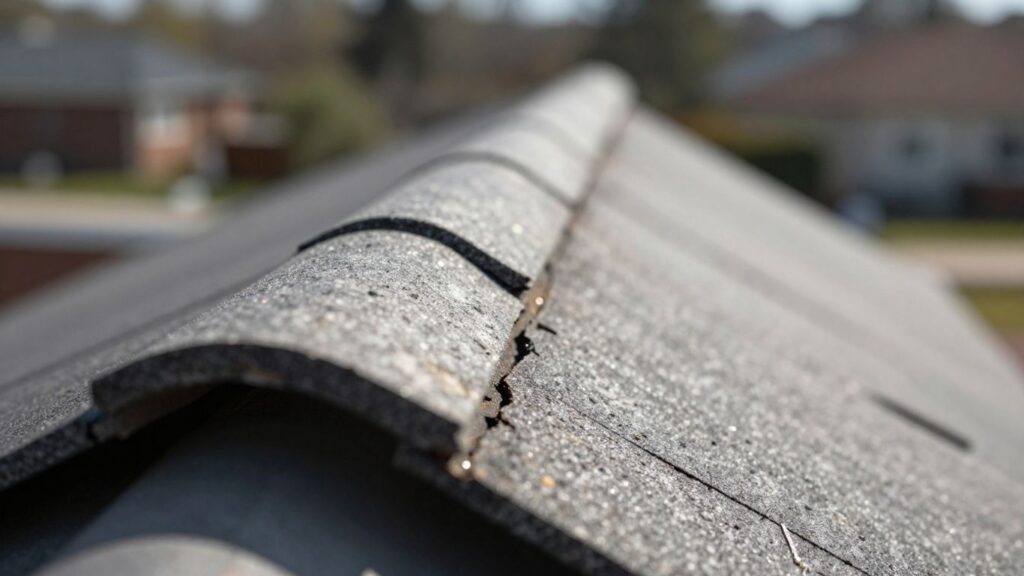
Shingles are your roof’s first line of defense. When they’re damaged or missing, water can find its way underneath, which is never good. Look for shingles that are cracked, broken, or completely gone. Sometimes, you might see areas where the protective granules have worn away, leaving the shingle looking bald. This is a sign of wear and tear that can make the shingle weaker.
- Cracked or Broken Shingles: These are easy to spot and mean the shingle isn’t protecting as it should.
- Missing Shingles: If you see bare spots where shingles should be, that’s a direct entry point for water.
- Bald Spots: Areas where the small granules have come off expose the shingle material underneath to the elements.
Recognizing Curling or Buckling Shingles
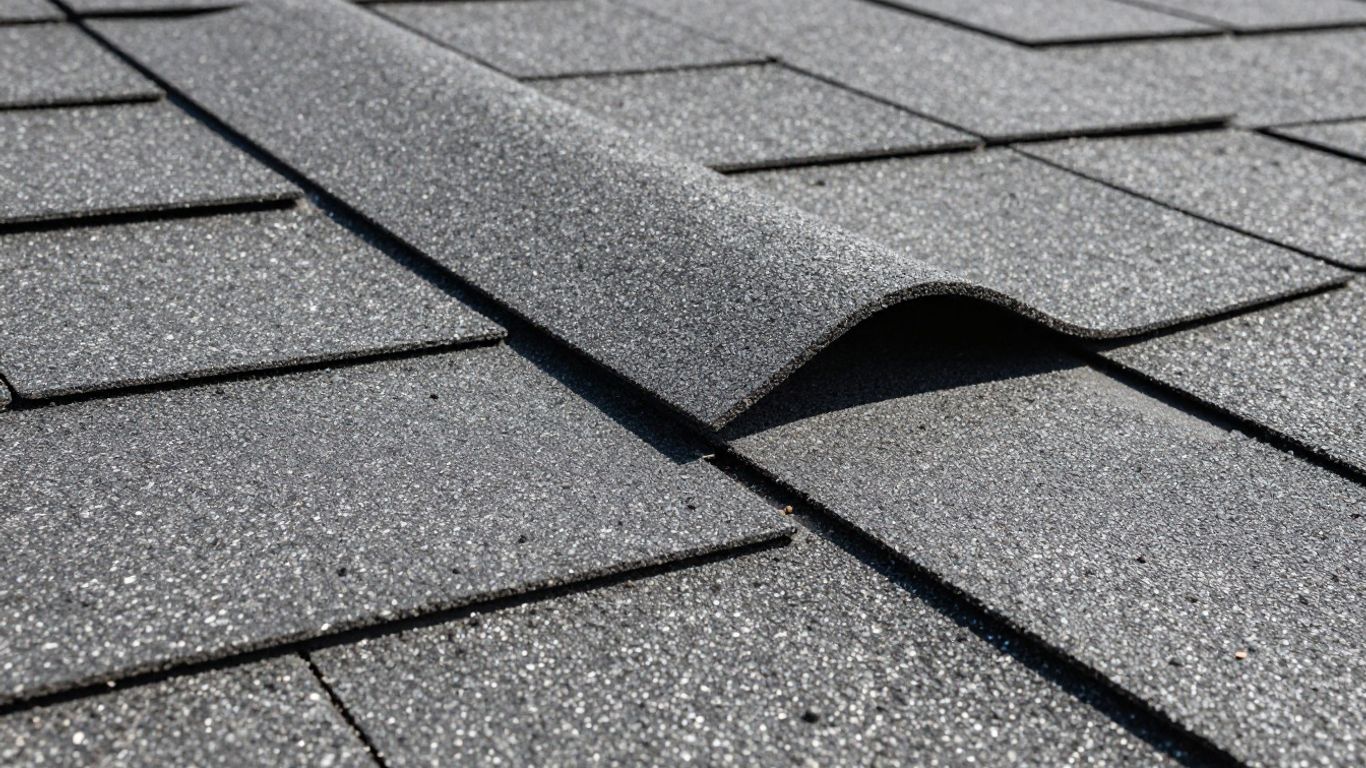
Shingles aren’t supposed to bend or lift. If you notice shingles that are curling up at the edges or buckling in the middle, it’s a sign that they’re past their prime or have been exposed to too much moisture or heat. This can happen as shingles age or if there’s a ventilation problem in your attic that traps heat and moisture. When shingles lose their flat profile, they can’t overlap properly, leaving gaps for rain to seep through.
Understanding Sagging Rooflines
A sagging roofline is a more serious visual cue. It means the structure underneath your shingles might be compromised. This could be due to water damage that has weakened the roof decking or rafters, or even excessive weight from accumulated snow or debris. A roof should look straight and even. If you see dips or curves in the roofline, especially after heavy rain or snow, it’s time to get a professional to take a look.
A sagging roofline isn’t just an eyesore; it’s a structural warning sign that needs immediate attention from a qualified roofer. Don’t delay in getting this checked out.
Checking your gutters for debris and damage is also a good idea, as clogged gutters can contribute to water pooling around your foundation and potentially backing up under shingles. You can find more information on gutter maintenance and common issues here.
Investigating Interior Clues of Roof Problems
Sometimes, the first signs of trouble aren’t on your roof at all. They’re inside your home, quietly hinting that something’s not right up above. Paying attention to these interior clues can help you catch roof issues before they become major headaches.
Detecting Water Stains on Ceilings and Walls
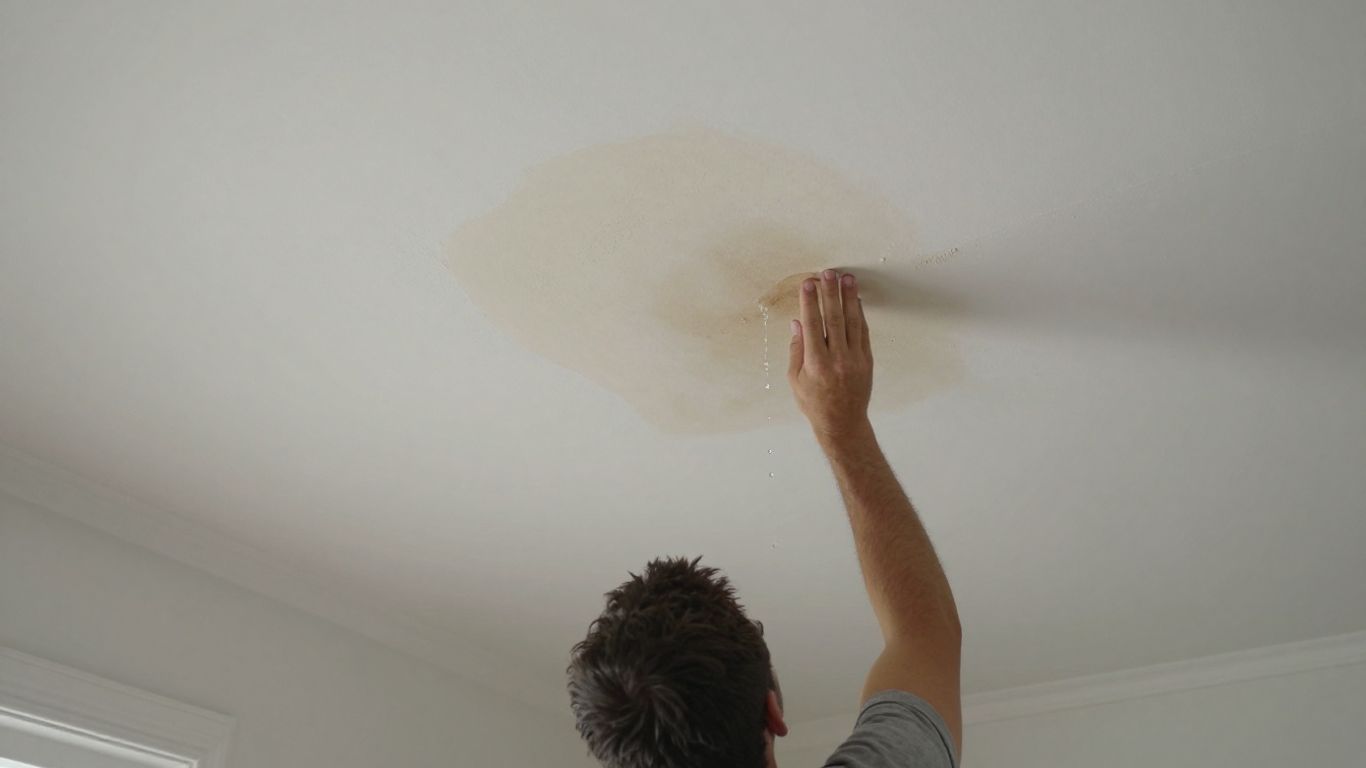
Water stains are probably the most obvious interior sign that your roof might be leaking. You might see a discolored patch on your ceiling, or maybe streaks running down a wall. These stains can start small and gradually get bigger. It’s important to remember that water can travel quite a distance from where the actual leak is on the roof. So, a stain on your living room ceiling could mean the problem is actually over a bedroom or even the attic.
Don’t ignore these spots. They’re a clear signal that water is getting past your shingles and underlayment. The longer you wait, the more damage it can do to your insulation, drywall, and even the wooden structure of your home.
Identifying Mold or Mildew in the Attic
Your attic is a prime spot for hidden moisture. If you venture up there, take a good look around. Do you see any dark spots on the underside of the roof deck? Any fuzzy patches of mold or mildew? These are strong indicators of a roof leak, even if you haven’t seen any stains downstairs yet.
Attics can get damp from condensation too, but persistent mold growth often points to water intrusion from outside. This is especially true if you notice any musty smells when you open the attic hatch. Addressing mold is important not just for your roof, but for your home’s air quality too.
Noticing Unexplained Increases in Energy Bills
This might seem like a strange connection, but your roof plays a big role in keeping your home’s temperature steady. If your roof has been damaged, it might not be insulating as well as it should. This means your heating and cooling systems have to work harder to keep your home comfortable.
So, if you suddenly see your energy bills jump up without any change in your usage habits or the weather, it’s worth considering your roof. A compromised roof can let out warm air in the winter and let in hot air during the summer, making your HVAC system run overtime. It’s a good idea to get a professional roof inspection if you notice a significant, unexplained rise in your utility costs. This could be a sign that you need to look into roof repair options.
The interior of your home can act as an early warning system for roof problems. Stains, mold, and even higher energy bills are all signals that something needs attention before minor issues turn into major, expensive repairs.
Examining Critical Roof Components
Your roof is made up of several parts, and each one plays a role in keeping your home safe and dry. Sometimes, the problems aren’t with the shingles themselves, but with the smaller, yet equally important, pieces that seal and protect.
Assessing the Condition of Roof Flashing
Flashing is that thin metal material you see around chimneys, vents, skylights, and where the roof meets a wall. Its job is to create a watertight seal in these areas where different surfaces come together. Think of it as the roof’s waterproof tape.
What to look for:
- Rusted or bent metal.
- Gaps where the flashing meets the roof or wall.
- Sealant around the flashing that looks cracked, dried out, or is pulling away.
When flashing gets damaged, water can easily sneak in. This is especially true around things like plumbing vents or attic fans, which are common spots for leaks.
Damaged flashing is a leading cause of roof leaks. If you see any signs of wear or separation, it’s a good idea to get it checked out sooner rather than later. Small issues here can lead to big problems inside your house.
Checking Gutters for Sagging or Damage
Your gutters might seem separate from the roof, but they’re actually a key part of the system. They’re designed to channel water away from your home’s foundation.
What to look for:
- Gutters that are pulling away from the house.
- Sections that are sagging or look bent.
- Water overflowing from the gutters even during light rain.
If your gutters are sagging, it could mean they’re clogged with debris, or they might be damaged. When gutters don’t work right, water can back up and pool near your roof’s edge, potentially seeping under shingles and causing rot.
Looking for Granules in Your Gutters
Shingles have a protective layer of granules on top. These granules shield the shingle from the sun’s UV rays and help them withstand the elements. Over time, especially with age or damage, these granules can loosen.
What to look for:
- A noticeable amount of gritty material in your gutters.
- Dark streaks running down your siding from the gutters.
If you’re finding a lot of these granules in your gutters, it’s a sign that your shingles are wearing down. While some granule loss is normal, excessive amounts can mean your shingles are losing their protective coating and might need attention sooner than you think.
Understanding Weather’s Impact on Your Roof
Weather is a big deal for your roof. It’s constantly exposed to sun, rain, wind, and sometimes snow or hail. Over time, these elements can wear down your roof, leading to damage if you’re not careful. Knowing what to look for after different weather events can save you a lot of trouble.
Signs of Storm Damage After Severe Weather
Big storms can really do a number on your roof. High winds can lift shingles, and heavy rain can find any small opening. Hail can dent or crack shingles, making them weak. After a bad storm, it’s smart to take a look around your property.
- Look for missing shingles: Check your lawn and around your house for any shingles that have blown off.
- Inspect for dents or cracks: Especially if there was hail, look closely at your shingles for any new damage.
- Check for debris: Large branches or other debris can fall on your roof and cause punctures or dislodge materials.
If you notice any of these signs, it’s a good idea to get a professional to check your roof. They can spot damage you might miss.
Winter Weather’s Effect on Roof Integrity
Winter brings its own set of challenges. Heavy snow can put a lot of weight on your roof. Ice dams can form when snow melts and refreezes at the edge of your roof, forcing water back up under your shingles. This can lead to leaks inside your home.
- Watch for ice dams: These are ridges of ice that build up at the edge of your roof. You might see icicles hanging from your gutters.
- Check for sagging: If snow is very heavy, you might notice your roofline starting to sag in certain areas.
- Inspect for granule loss: Snow and ice can be abrasive, and you might find more shingle granules in your gutters after winter.
Dealing with winter weather means keeping an eye on potential problems before they become big leaks. A little attention can prevent a lot of headaches.
How Wind and Hail Affect Your Roof
Wind and hail are two of the most common culprits behind roof damage. Strong winds can lift shingles, breaking the seals that keep them in place. This makes them vulnerable to further damage from rain or more wind. Hail, on the other hand, can cause direct impact damage, creating bruises or cracks in shingles that might not be immediately obvious.
Even small dents from hail can weaken shingles, making them prone to leaks and reducing their lifespan. It’s easy to overlook this type of damage, but it can lead to bigger problems down the line.
When wind or hail strikes, it’s important to do a thorough inspection. Look for shingles that are lifted, cracked, or missing altogether. Also, check your gutters for any signs of damage or debris that might indicate impact. If you suspect damage, it’s best to get a professional opinion to make sure your roof is in good shape. Early detection is key to preventing more serious issues and costly repairs later on.
The Importance of Prompt Roof Repair
Look, nobody wants to deal with roof problems. It’s usually out of sight, out of mind, right? But here’s the thing: ignoring those little issues can turn into a really big, expensive headache down the road. Think of your roof like your car; a little tune-up now can save you from a breakdown later.
Why Early Detection Saves Money
It’s pretty simple, really. A small leak that you catch early might just need a patch or a few new shingles. That’s usually not too bad on the wallet. But if you let that same leak go, water can get into your attic, soak your insulation, and even damage your drywall. Suddenly, you’re not just fixing the roof; you’re dealing with interior repairs too. That adds up fast.
- Minor Fixes: A few shingles replaced, a small sealant issue addressed.
- Major Repairs: Insulation replacement, drywall repair, structural wood rot.
- Full Replacement: The most costly option, often needed if damage is widespread.
Preventing Further Damage Through Timely Action
When your roof is compromised, it’s like leaving your front door wide open to the elements. Water is sneaky. It finds its way into tiny cracks and can cause a cascade of problems. Addressing damage quickly stops this process. It prevents water from spreading into your home’s structure, which can lead to mold and rot. Getting professional roof assessment is key here.
Delaying roof repairs is one of the most common mistakes homeowners make. What seems like a minor inconvenience can quickly escalate into widespread damage affecting your home’s structure, insulation, and interior finishes.
Extending Your Roof’s Lifespan with Repairs
Your roof has a lifespan, and you want to get the most out of it. Regular maintenance and prompt repairs are the best ways to do that. By taking care of small issues as they pop up, you reduce the overall stress on your roofing system. This means your roof can perform well for its intended duration, saving you the cost and hassle of a premature replacement. It’s all about proactive care for a long-lasting roof.
When to Call a Professional for Roof Assessment
Sometimes, you can spot roof problems yourself. You might see a few missing shingles after a big storm or notice a water stain on your ceiling. These are good clues that something’s up. But other times, the issues are harder to see, or they’re just beyond what a quick glance can tell you. That’s when it’s time to bring in the pros.
Signs That Warrant Immediate Professional Attention
While you should always keep an eye on your roof, some signs mean you shouldn’t wait. If you see any of these, it’s best to get a professional opinion sooner rather than later.
- Multiple Leaks: If you’ve got more than one leak, or a leak that’s getting worse, that’s a clear signal that your roof needs a serious look.
- Significant Sagging: A roofline that’s visibly dipping or sagging isn’t just an eyesore; it can mean serious structural problems underneath.
- Damage After Severe Weather: After a bad storm with high winds, heavy rain, or large hail, it’s smart to have a professional check things out, even if you don’t see obvious damage from the ground.
- Age of the Roof: If your roof is getting up there in years – generally over 20 years old – it’s a good idea to have it inspected regularly, as wear and tear become more common.
The Benefits of a Professional Roof Inspection
You might think, "I can see some damage, why pay someone to tell me what I already know?" Well, a professional inspection goes way beyond what you can see from your yard or even a ladder.
- Catching Hidden Problems: Professionals know where to look for things you’d miss, like hairline cracks in shingles, compromised underlayment, or loose flashing around vents and chimneys. These small issues can lead to big leaks if ignored.
- Safety First: Climbing onto a roof is dangerous. Professionals have the right safety gear and training to inspect your roof without risking a fall.
- Accurate Assessment: They can tell you if a repair is enough or if it’s time for a full replacement, giving you a clear picture of what needs to be done and why.
Don’t underestimate what a trained eye can spot. What looks like a minor issue to you could be a sign of a much larger problem developing beneath the surface. A professional inspection is an investment in preventing costly future repairs.
Documenting Damage for Insurance Claims
If you suspect your roof damage is due to a specific event, like a storm, you’ll likely need to file an insurance claim. A professional inspection is key here.
- Detailed Reports: Roofers provide detailed reports and photos of the damage, which are essential for your insurance company.
- Fair Assessment: They can help ensure the insurance company’s assessment is accurate and that you’re getting the coverage you’re entitled to.
- Timely Filing: Getting a professional assessment quickly after damage occurs can help you meet your insurance policy’s deadlines for reporting claims.
Don’t Wait, Protect Your Home!
So, we’ve gone over a bunch of things to keep an eye on when it comes to your roof. It might seem like a lot, but really, it boils down to just paying attention. Little things like seeing some granules in your gutters or noticing a weird stain on the ceiling can be your roof’s way of saying it needs a little help. Ignoring these signs is like ignoring a small cut that could get infected – it just leads to bigger, more expensive problems down the road. Taking a few minutes to do a quick check, especially after a big storm, can make a huge difference. If you do spot something that looks off, don’t try to be a superhero and fix it yourself. That’s what the pros are for. Give them a call, get it checked out, and have peace of mind knowing your home is protected. It’s way better than dealing with a leaky ceiling or, worse, major structural damage later on.
Frequently Asked Questions
What are the most common signs that my roof might be damaged?
Keep an eye out for things like shingles that are missing, cracked, or curling up. You might also see dark spots or streaks on your roof, or notice a lot of shingle granules in your gutters. Inside your house, look for water stains on the ceiling or walls, especially after it rains. Sometimes, a sagging roofline or mold in the attic can also be clues.
How can I tell if my roof is getting old or just damaged?
While aging roofs naturally show some wear, like faded colors, specific damage signs are different. Missing or broken shingles are clear damage. Curling or buckling shingles suggest the material is failing, possibly due to age or moisture. Sagging rooflines are a serious sign of structural problems, not just normal aging.
What’s the big deal about granules in my gutters?
Those little granules on your shingles are like armor, protecting them from the sun. When you find a lot of them in your gutters, it means the shingles are losing their protection. This can happen as they age, but it’s also a sign that the shingles might be damaged or worn out, making your roof more vulnerable.
Can I fix roof problems myself, or should I always call a pro?
For very small, simple issues, a handy person might be able to make a fix. However, most roof problems, especially those involving leaks or structural concerns, are best left to professionals. They have the right safety gear, know-how, and tools to do the job safely and correctly, preventing further damage.
How does weather like storms or heavy snow affect my roof?
Strong winds can rip off shingles or lift them, letting rain underneath. Heavy rain can find weak spots and cause leaks. Snow and ice can build up, adding a lot of weight to your roof, which can cause sagging or even collapse if it’s already weak. Ice dams can also form, forcing water back up under shingles.
Why is it so important to fix roof problems right away?
Fixing roof issues early is like going to the doctor for a small cut before it gets infected. A small leak can quickly lead to major water damage inside your home, causing mold, ruining insulation, and even weakening the structure of your house. Getting repairs done quickly saves you a lot of money and hassle in the long run.