Your roof is like the unsung hero of your house, working hard to keep you safe and dry. But sometimes, it needs a little help. Ignoring small problems can turn into big, expensive headaches later. So, how do you tell if your roof needs repair before it’s too late? Keep an eye out for these common signs.
Key Takeaways
- Missing, cracked, or curling shingles are clear indicators that your roof’s protective layer is compromised, leaving it vulnerable to water damage.
- A sagging roofline suggests underlying structural issues or water damage that could weaken the entire roof system.
- Water stains on your ceiling or walls are a direct sign that water is getting into your home, likely through a roof leak.
- Finding a lot of granules in your gutters means your shingles are wearing down and losing their protective layer.
- Moss and algae growth can trap moisture against your roof, leading to deterioration and potential leaks over time.
Missing, Cracked, or Curling Shingles
Alright, let’s talk about shingles. These are your roof’s first line of defense, like the scales on a fish, protecting everything underneath. When they start looking a bit rough, it’s a pretty clear signal that something’s up.
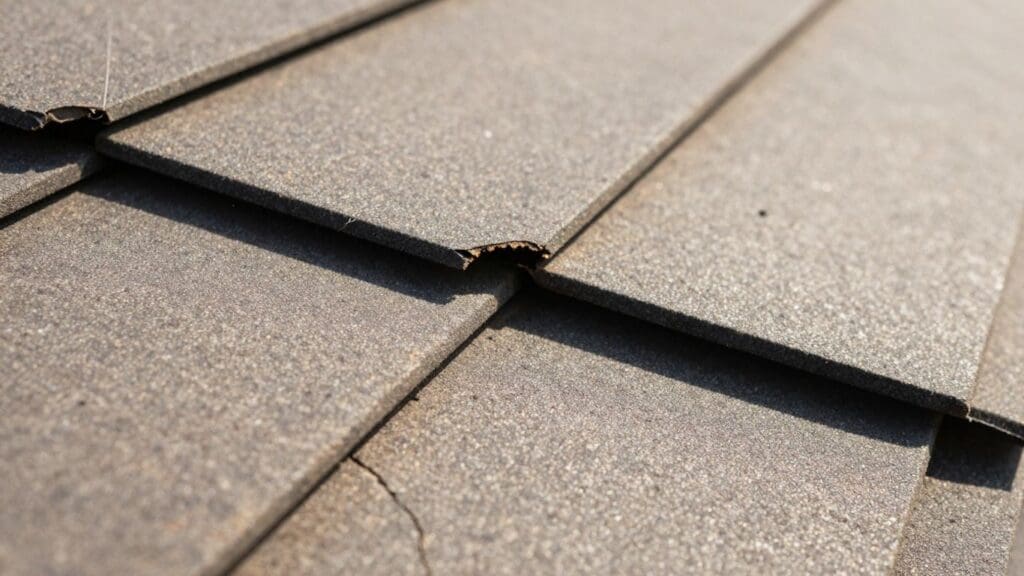
You might notice shingles that are curling up at the edges, especially on the sunny side of your house. This usually happens as they get older and the sun bakes them, making them brittle. Then there are cracked shingles. Think of them like little stress fractures; they happen from the constant expansion and contraction with temperature changes. And of course, missing shingles are a big red flag. A strong gust of wind can just lift them right off, leaving a gap.
Here’s a quick rundown of what to look for:
- Curling: Edges lifting or bending upwards.
- Cracking: Visible splits or breaks in the shingle material.
- Missing: Gaps where shingles should be, exposing the underlayment.
- Bald Spots: Areas where the protective granules have worn away, often looking like dark patches.
If you see a few of these issues, it’s definitely worth getting a closer look. It’s not just about how they look, either. Damaged shingles mean water can get in where it shouldn’t, and that can lead to bigger problems down the road, like rot in your roof deck or even leaks into your attic. It’s a good idea to have a professional roofer check them out, especially if your roof is getting up there in age. They can tell you if it’s a simple fix or if it’s time for a bigger roof repair.
Don’t wait until you see water spots inside your home. By then, the damage is often more extensive than it appears on the surface. Addressing shingle issues early is key to preventing costly repairs later on.
Sagging Roofline
Okay, so you’re looking up at your house, and something just doesn’t look right. Maybe one part of the roof seems to be dipping down, or it just looks uneven. That, my friends, is a sagging roofline, and it’s definitely not something to ignore. Think of your roof like a sturdy bridge; it’s supposed to be straight and strong. When it starts to bow or sag in the middle, it’s a big warning sign that the structure underneath might be in trouble.
What’s usually going on when you see this? A few things could be the culprit:
- Water Damage: This is a big one. Moisture can get into the roof’s structure, like the wooden beams (we call them rafters or trusses), and weaken them over time. If water gets trapped, it can really do a number on the wood, making it soft and less able to hold its shape.
- Structural Issues: Sometimes, it’s just a problem with how the roof was built in the first place. Maybe the materials weren’t strong enough, or the installation wasn’t done quite right. Over the years, this can lead to the roof starting to give way.
- Too Much Weight: In places that get a lot of snow, the sheer weight of it can push down on the roof. If the roof isn’t built to handle that kind of load, it can start to sag.
A sagging roof isn’t just an eyesore; it’s a sign that your roof’s integrity is compromised. Ignoring it could lead to more serious problems down the road, like leaks or even a partial collapse.
If you spot any dips or unevenness, it’s really best to get a professional to take a look. Trying to fix this yourself is usually not a good idea because it involves the structural support of your home. A good roofer can figure out what’s causing the sag and recommend the right fix, whether that’s reinforcing the structure or, in some cases, replacing parts of the roof. It’s always better to catch these things early, especially since roof warranties might not cover damage caused by neglect or structural failure [ea56].
Water Stains on Ceilings or Walls
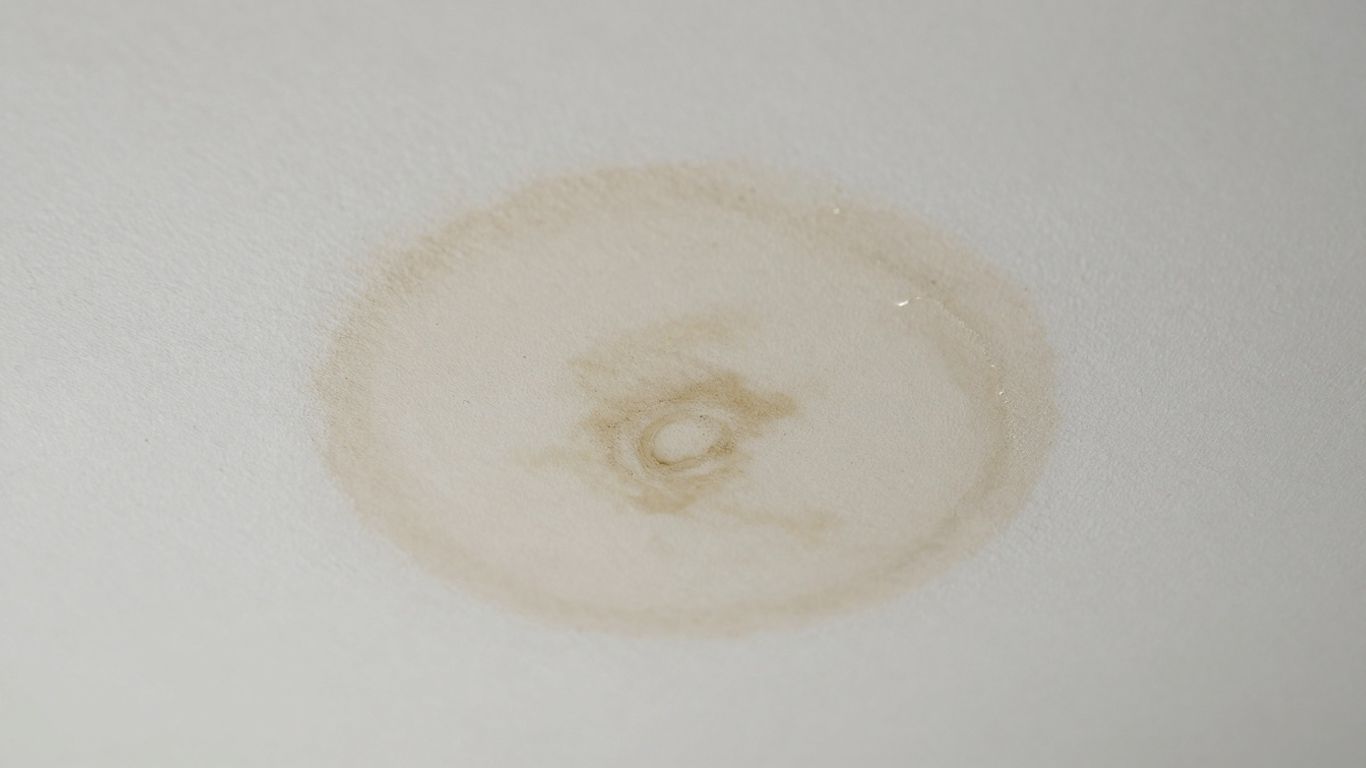
Okay, let’s talk about those dreaded water stains. You know, those brownish or yellowish splotches that start appearing on your ceiling or walls? They’re not just an eyesore; they’re a pretty clear signal that something’s up with your roof. Think of them as your house’s way of saying, ‘Hey, I’m leaking!’
What’s really happening when you see these stains? It means water has found its way through your roof. Sometimes, the actual leak point might be quite a distance away from where you see the stain, which can make finding the source a bit tricky. But the stain itself is proof that water is getting in, and that’s never a good thing. It can lead to:
- Soaked insulation, which means it stops working as well and can lead to higher energy bills.
- Potential rot in the roof decking, which is the wood structure underneath your shingles.
- Mold growth, which is not only bad for your home’s structure but also a health concern.
Don’t just slap some paint over a water stain and hope it goes away. It won’t. Every time it rains, more water can seep in, making the problem worse and potentially causing more damage that you can’t even see yet.
If you spot these marks, it’s time to get a professional to take a look. They can figure out exactly where the water is coming from and fix it before it turns into a much bigger, more expensive headache. It’s way better to deal with a small leak now than a major structural issue later. You can find roofing contractors who specialize in finding and fixing these kinds of problems.
Granules in the Gutter
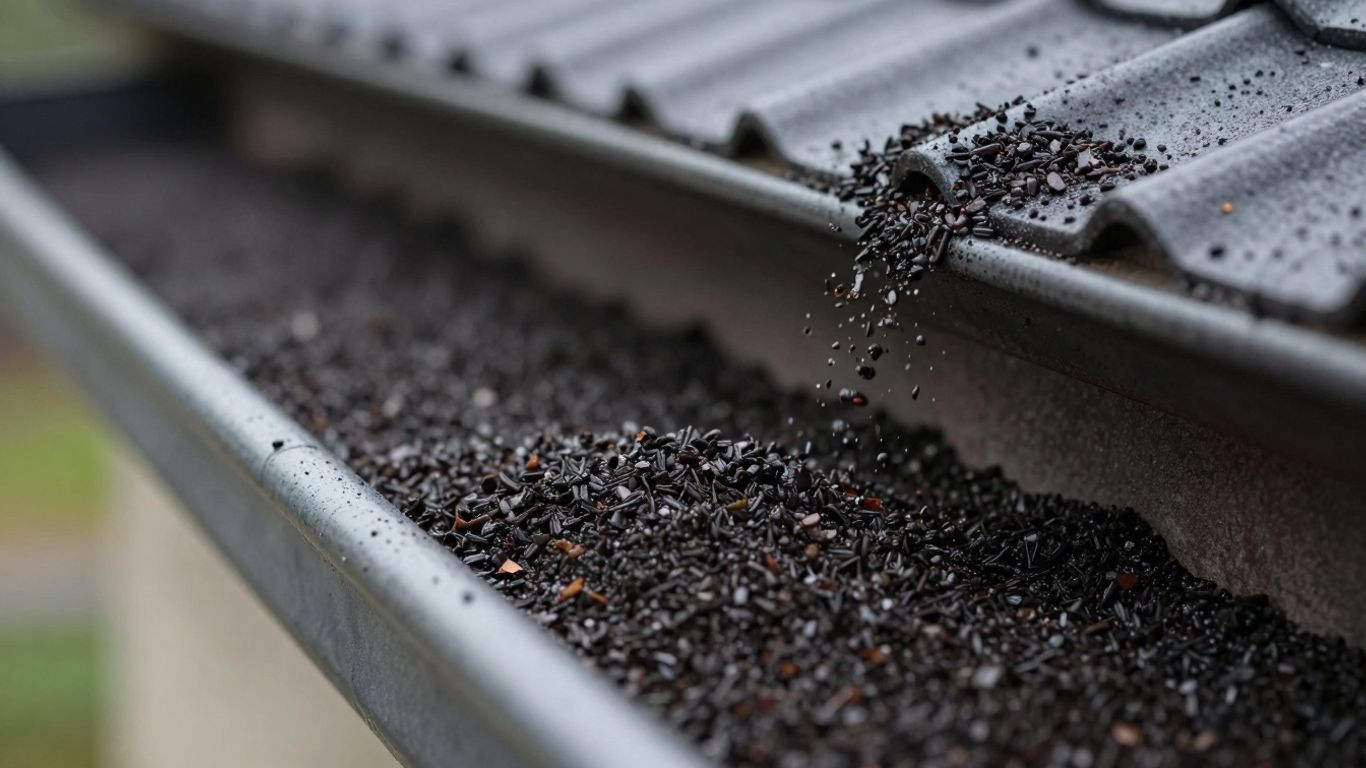
Have you ever cleaned out your gutters and noticed a gritty, sand-like substance? If you have an asphalt shingle roof, those are likely granules that have come off your shingles. Think of these granules as your shingles’ sunscreen and armor. They’re there to protect the asphalt layer underneath from UV rays and the general wear and tear of weather.
When your roof is new, it’s totally normal to find a small amount of these granules in your gutters, especially after a heavy rain. It just means a few loose ones washed off during installation. But if you’re seeing a significant pile of them, or if it seems like a lot is washing off regularly, that’s a red flag. It means the shingles are aging and losing their protective coating. Without those granules, the asphalt is exposed, making the shingles brittle and much more susceptible to damage from sun and rain. This can lead to premature roof failure and, you guessed it, leaks.
Here’s a quick rundown of what to look for:
- Small amount, new roof: Probably nothing to worry about.
- Large piles, old roof: Definitely a cause for concern.
- Consistent shedding: Indicates shingles are breaking down.
If you’re finding a lot of granules, it’s a good idea to get a professional to check out your roof’s condition. They can tell you if it’s just normal wear or if it’s time for some roof repair.
It’s easy to dismiss a bit of grit in the gutter, but it’s actually one of the most telling signs that your shingles are nearing the end of their life. Ignoring it means you’re leaving your home’s protection vulnerable to the elements.
Moss and Algae Growth
You might think a little green fuzz on your roof is just a cosmetic issue, but it’s actually a pretty big deal. Moss and algae love to hang out on roofs, especially in damp, shady spots. While they might look kind of natural, they’re slowly but surely causing damage.
Moss is the real moisture hog. It acts like a sponge, soaking up and holding onto water right against your shingles or tiles. This constant dampness can seep into tiny cracks, making the roofing material brittle and eventually leading to rot or crumbling. Think of it like leaving a wet sponge out – it doesn’t stay nice for long.
Algae, on the other hand, often shows up as dark green or black streaks. It doesn’t hold moisture quite like moss, but it can still degrade the roofing material over time and make your roof look pretty rough. Plus, a roof covered in this stuff isn’t reflecting sunlight as well as it should, which can make your home hotter in the summer.
Here’s a quick rundown of why it’s a problem:
- Moisture Retention: Moss traps water, leading to rot and material breakdown.
- Material Degradation: Both moss and algae can break down the protective layers of your shingles.
- Clogged Gutters: Over time, moss can break off and clog your gutters, causing water to back up.
- Reduced Efficiency: A dirty roof doesn’t reflect sunlight as well, potentially increasing cooling costs.
If you’re just starting to see a few patches, you might be able to gently clean it off yourself. But if it’s widespread, it’s a sign that your roof has been dealing with this for a while, and it’s probably time to call in a professional to check for any underlying damage. They can safely remove it and make sure your roof is sound.
Don’t Wait for a Downpour to Think About Your Roof
So, we’ve gone over some of the main ways to tell if your roof is getting up there in age or has picked up some damage. Honestly, it’s easy to just forget about the roof until something goes wrong, right? Like, who really thinks about their shingles unless there’s a leak? But catching these little things early, like those water stains or a few loose tiles, can seriously save you a headache and a ton of cash down the road. It’s way better to get a pro to take a look once a year, or after a big storm, than to wait until you’ve got water dripping into your living room. Think of it like checking the oil in your car – a little bit of attention now keeps the big problems away later.
Frequently Asked Questions
How often should I check my roof for problems?
It’s a good idea to give your roof a quick look from the ground every few months, especially after bad weather. A professional check-up once a year is also recommended. Think of it like getting your car serviced – it helps catch small issues before they become big, expensive ones.
What’s the biggest mistake homeowners make with their roofs?
The most common mistake is waiting too long to fix small problems. People often ignore minor leaks or a few damaged shingles, hoping they’ll be okay. But these small issues can lead to much bigger problems like water damage inside your home, mold, and even weaken the structure of your house.
Can I fix roof problems myself?
For minor issues like a single missing shingle, you might be able to do a temporary fix if you’re comfortable and have the right safety gear. However, most roof problems, especially sagging or major leaks, are best left to professionals. They have the tools, experience, and knowledge to do the job safely and correctly.
What does it mean if I see granules in my gutter?
If you have asphalt shingles, you’ll sometimes see little black bits, called granules, in your gutters. These granules protect the shingles from the sun. Finding a few is normal, especially on an older roof. But if you find a lot of them, it means the shingles are wearing out and losing their protection, which could lead to damage.
How does moss on my roof cause damage?
Moss might look a little fuzzy and green, but it can actually trap moisture against your roof. This extra wetness can make your shingles or tiles weaker over time, potentially causing them to crack or shift. It can also lead to rot in the wood underneath the shingles.
Is a sagging roof dangerous?
Yes, a sagging roof is a serious warning sign. It usually means there’s a problem with the structure underneath, like water damage weakening the wooden beams or even issues with how the roof was built. It’s important to get this checked out immediately by a professional because a sagging roof could be at risk of collapsing.