
Keeping your roof in good shape is a big deal for any homeowner. It’s not just about how your house looks from the street; it’s about keeping your family and everything inside safe and dry. Most of us don’t give our roofs much thought until something goes wrong, like a leak or missing shingles after a storm. But a little bit of regular attention can save you a lot of headaches and money down the road. This article is all about simple roof safety tips for homeowners to help you spot problems early and know when to call in the pros.
Key Takeaways
- When it comes to your roof, safety first. Avoid trying to do repairs or inspections yourself unless you have the right training and gear. It’s just too risky.
- Always hire licensed and insured roofers. They know what they’re doing and their insurance protects you if something goes wrong.
- Do quick visual checks of your roof from the ground regularly. Look for obvious damage like missing shingles or sagging gutters.
- Pay attention to the weather. Never schedule roof work during bad weather like rain or high winds. Professionals know this and will reschedule if needed.
- Simple maintenance like cleaning gutters and trimming trees can prevent bigger problems and keep your roof in good shape longer.
Prioritizing Professional Roof Safety
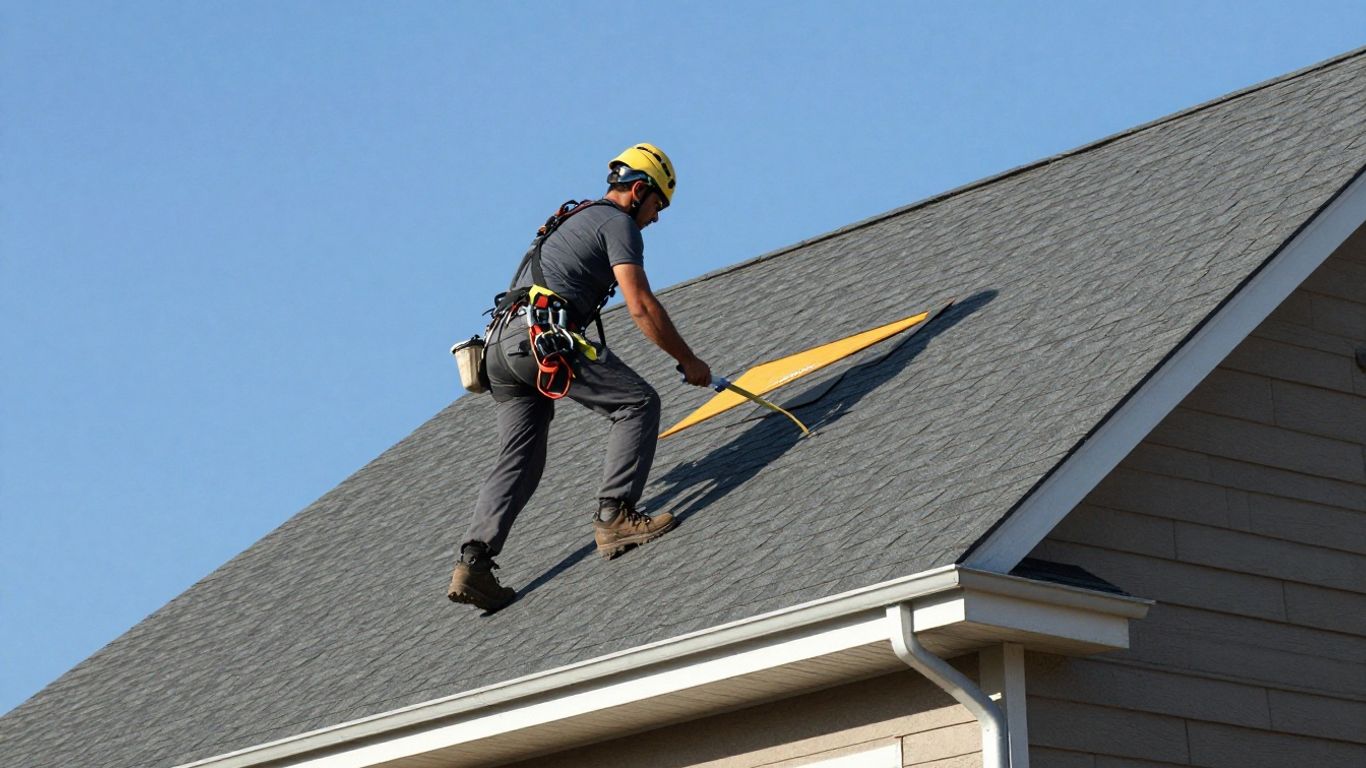
When it comes to your home, the roof is a pretty big deal. It keeps the rain out, the heat in (or out, depending on the season), and generally protects everything you own. But working on a roof? That’s a whole different story. It’s not like fixing a leaky faucet or painting a wall. There are real dangers involved, and honestly, most of us aren’t equipped to handle them.
Understanding the Risks of DIY Roof Work
Let’s be real, watching a YouTube video makes roof repairs look easy. You see someone up there, tools in hand, making it look like a walk in the park. But the reality is often much scarier. Climbing ladders, especially on uneven ground, can be tricky. Once you’re on the roof itself, things get even more complicated. Surfaces can be slippery, especially if they’re wet or covered in moss. Plus, you’re dealing with heights, which can be disorienting. Without the right gear and training, a simple fix can quickly turn into a serious accident. Falls from roofs can lead to severe injuries, and that’s something nobody wants.
The Importance of Hiring Licensed Professionals
This is where the pros come in. Licensed roofers have the training, the experience, and most importantly, the safety equipment to get the job done right. They know how to secure ladders, use harnesses, and navigate steep or uneven surfaces without putting themselves at unnecessary risk. They’re also familiar with building codes and best practices, which means the work is not only safe but also done correctly. Think of it like this: you wouldn’t perform surgery on yourself, right? Roofing work is similar – it’s best left to those who are trained and equipped for it.
Ensuring Your Contractor is Insured
Beyond just being licensed, it’s super important that your roofing contractor is insured. What does that mean for you? It means if something goes wrong while they’re on your property – say, they accidentally damage your landscaping or, worse, someone gets hurt – their insurance covers it. This protects you from being held liable for accidents that happen during the job. Always ask for proof of insurance before you hire anyone. It’s a simple step that can save you a lot of headaches and potential costs down the line.
Conducting Safe Roof Inspections
Inspecting your roof might seem simple, but there’s quite a bit you need to know to do it safely. It’s not just about climbing up and taking a look—there are real risks involved if you’re not careful. Here’s how to stay safe while checking on your roof’s condition.
Visual Checks From the Ground
You don’t need to put yourself in danger to spot roof problems. Most issues are visible from the ground with the help of binoculars. Here’s what you should look for:
- Missing, cracked, or curling shingles
- Rust or wear around vent pipes and chimneys
- Sagging areas, especially near the roof’s ridge
- Dark patches or moss growth
- Debris buildup in gutters and around downspouts
Walk around your house slowly and check every angle. If you see anything that looks unusual, jot it down. Even if you don’t notice damage, keep notes for next time, so it’s easier to spot changes later.
Identifying Early Warning Signs of Damage
Catching issues early can save a lot of money and hassle. Unattended problems always get worse. Here’s a quick checklist for possible warning signs:
- Stains on ceilings or attic rafters (could mean a leak)
- Loose or missing flashing near chimneys or skylights
- Piles of shingle granules in the gutters
- Damp insulation in the attic after rain
The following table shows a few warning signs, their possible causes, and what could happen if they’re ignored:
| Warning Sign | Possible Cause | Potential Risk |
|---|---|---|
| Bubbling paint indoors | Roof leak | Mold growth, wood rot |
| Dark streaks on roof | Algae or moss | Shingle wear, leaks |
| Warped shingles | Moisture infiltration | Faster deterioration |
| Granules in gutters | Aging shingles | Weakened roof protection |
It’s always better to spot and handle a small roof problem now than to wait until you’re dealing with a major leak during a storm.
When to Call a Professional for an Assessment
There are definitely times when you should put the ladder away and call in the experts. Here’s when to bring in a professional:
- You see sagging, deep cracks, or active leaks.
- Storm damage—broken shingles or visible gaps.
- More than one small issue at a time (multiple loose shingles, flashing problems, etc.).
- You’re unsure about the extent of a problem.
- The roof is too steep or high for safe access.
A professional roofer knows where to look for hidden trouble and has the gear to do it safely. If you’re not confident about anything you see, don’t risk your safety.
The bottom line: Stay on the ground for regular visual checks, keep track of warning signs, and know when to pick up the phone. Roof inspections don’t need to be risky, but skipping them or trying to do too much yourself can end up costing you a lot in the long run.
Navigating Weather Conditions Safely
Weather can really mess with your roof, and trying to work on it when things are bad is just asking for trouble. It’s not just about getting wet; it’s about slippery surfaces, strong winds, and even ice. These conditions make working on a roof incredibly dangerous, even for experienced folks.
Avoiding Work During Inclement Weather
This is a big one. If it’s raining hard, snowing, or the wind is really howling, stay off the roof. Period. It’s easy to think a little rain won’t hurt, but a wet shingle or a slick surface can send you tumbling down faster than you can say "oops." Even a light breeze can be tricky when you’re up high. It’s just not worth the risk.
How Professionals Handle Weather Risks
Professional roofers know this stuff inside and out. They’ve got the training and the gear to work safely, but they also know their limits. If the weather turns sour, they’ll pack it up and reschedule. They’re not going to push their luck. They’ll watch the forecast closely and plan their work around it. Sometimes, they might even use special equipment or techniques to work in less-than-ideal conditions, but only if it’s safe.
Seasonal Weather Impacts on Roof Integrity
Different seasons bring different challenges. In the summer, intense sun can make shingles brittle. Come fall, leaves and debris can clog up gutters, leading to water backup. Winter is notorious for ice dams, where melting snow refreezes at the roof’s edge, forcing water under shingles. Spring rains can reveal any damage that happened over the colder months. Keeping an eye on these seasonal changes helps you spot problems before they get serious.
Paying attention to the weather isn’t just about comfort; it’s a key part of keeping your roof in good shape and yourself safe. Always err on the side of caution when the skies look angry or the wind picks up.
Essential Roof Maintenance Practices
Taking care of your roof doesn’t have to feel like some mysterious chore or a never-ending hassle. A little attention and some regular habits can really stretch out the life of your roof and lower the odds of a pricey emergency. Here are a few clear, manageable steps to keep your roof in good shape all year long.
Regular Gutter and Downspout Cleaning
Gutters and downspouts clogged with debris can quietly cause big problems. When water can’t flow off the roof, it pools and creeps under shingles, leading to leaks and rot. That’s why gutter cleaning is up there with changing the batteries in your smoke detector—put it on the calendar and don’t skip it.
Roof Gutter Maintenance—At a Glance:
| Task | How Often |
|---|---|
| Clean gutters | Every season |
| Check for leaks/damage | Twice a year |
| Inspect downspouts | Every season |
Why it matters:
- Prevents water backup
- Reduces chances of ice dams in winter
- Stops rodents from nesting in debris
If you’re not a fan of ladders (honestly, who is?), consider hiring someone. The small expense up front can dodge big repair bills later.
Managing Overhanging Tree Branches
It’s easy to forget about those branches that hang over your roof—until a gust of wind or a wet spring storm sends them crashing down. Even small branches swaying in the wind can scrape shingles and strip away protective layers over time.
Here’s the plan:
- Trim back any limbs within 6–10 feet of the roof.
- Remove dead limbs right away.
- Keep trees healthy to avoid surprise breakage (a sick tree is way more likely to shed branches unexpectedly).
A quick trim can mean the difference between a small pile of leaves in your yard and a morning spent picking up shingles off the lawn.
Addressing Algae and Moss Growth
Green patches on your roof can do more than just spoil your home’s curb appeal. Algae and moss grab onto moisture and keep it trapped against the roofing material, which can accelerate wear.
How to handle it:
- Use a specialized roof cleaner (skip bleach, as it can harm plants and runoff into soil).
- Gently remove growth with a soft brush.
- Install zinc or copper strips at the roof peak—rainwater carries molecules from the metal over time, which helps prevent future growth.
Quick prevention checklist:
- Trim back shade-providing branches to get more sun on your roof.
- Clear roof of leaves and organic debris regularly.
- Make sure attic is well-ventilated so roof dries after rain.
Don’t ignore those green spots—even a little moss can shorten your roof’s lifespan if left unchecked.
Following these habits every few months won’t just protect your roof—it can save money in the long run, keep the attic dry, and avoid a lot of headache after the next big storm.
Maintaining Proper Roof Ventilation
You know, sometimes the most important parts of your house are the ones you don’t really see. Your roof’s ventilation system is one of those things. It might not be as flashy as new siding, but it plays a big role in keeping your whole house comfortable and your roof in good shape.
The Role of Ventilation in Roof Health
Think of your attic like your house’s head. If it gets too hot or too humid, things start to go wrong. Proper ventilation lets that hot, moist air escape. This is super important because it helps keep the temperature inside your attic more even. When your attic stays cooler in the summer and drier in the winter, it puts less stress on your roofing materials. It can even help your shingles last longer, which is a win-win.
Preventing Moisture and Heat Buildup
So, how does this heat and moisture get there? Well, during the summer, the sun beats down on your roof, heating up the attic space. All that heat can then seep into your living areas, making your air conditioner work overtime. In the winter, moisture can build up from everyday activities inside your home, like cooking and showering. If this moisture can’t get out, it can condense on the underside of your roof deck. Over time, this can lead to mold, rot, and other nasty problems that nobody wants to deal with.
Signs of Inadequate Attic Ventilation
How do you know if your roof’s ventilation isn’t doing its job? There are a few things to look out for. If you notice your energy bills creeping up, especially in the summer, it could be a sign that your attic is overheating. You might also see signs of moisture, like damp spots on your ceiling or walls, or even mold growth in the attic itself. Sometimes, you can spot it by looking at your shingles – if they’re curling or blistering, it could be due to excessive heat. Another clue is if you see ice dams forming on your roof in the winter; that often means heat is escaping from your attic and melting the snow on the roof, only for it to refreeze at the edges.
Keeping your attic ventilated isn’t just about comfort; it’s about protecting the structure of your home from damage that can be costly to fix down the line. It’s a simple system that makes a big difference.
Here are some common signs that your attic ventilation might need a check-up:
- High energy bills, particularly for cooling.
- Visible mold or mildew growth in the attic.
- Damp insulation or wood in the attic space.
- Shingles that look warped, curled, or blistered.
- Ice dams forming along the roof edges in winter.
- Stale or stuffy air in the upper levels of your home.
Recognizing Red Flags on Your Roof
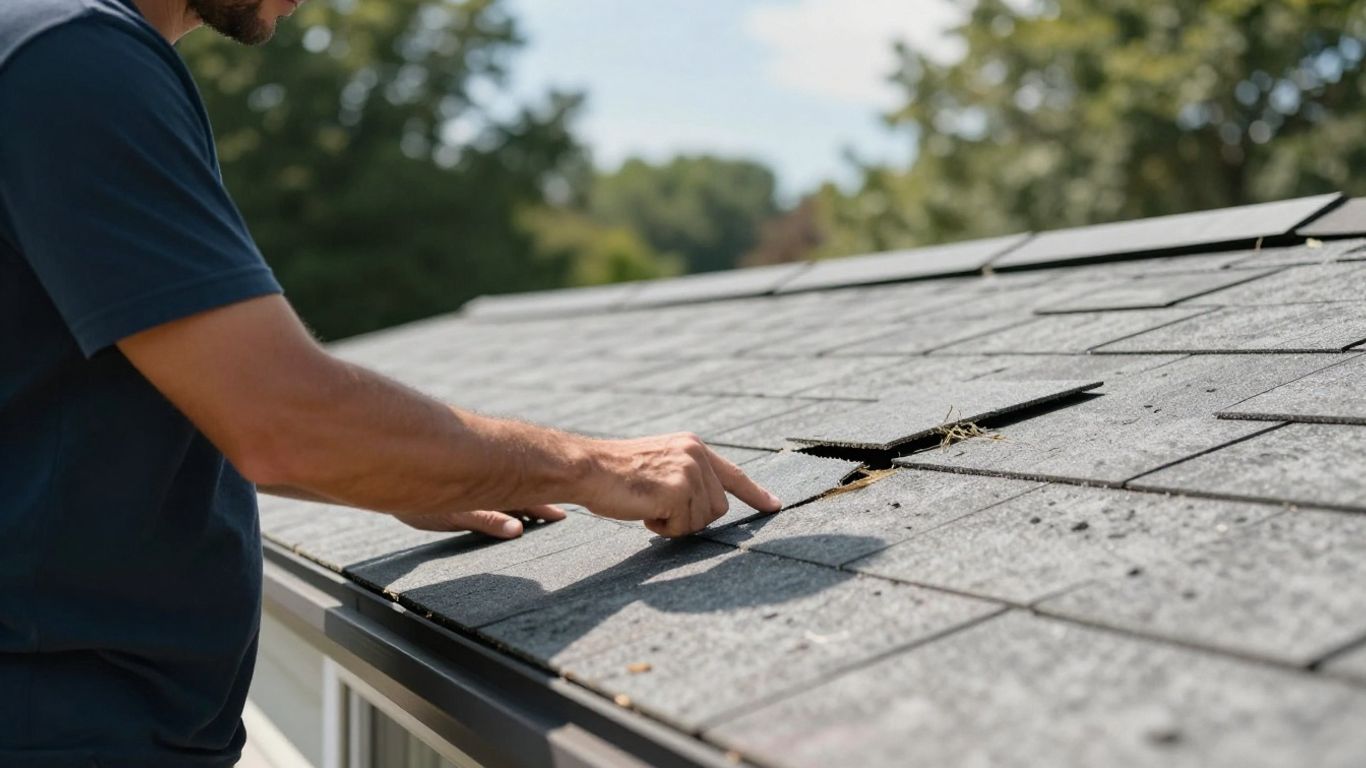
Your roof works hard to protect your home, but sometimes it shows signs that it needs a little attention. Spotting these issues early can save you a lot of trouble and money down the road. Think of it like checking your car’s dashboard for warning lights – you want to catch small problems before they become big ones.
Common Signs of Shingle Deterioration
Shingles are your roof’s first line of defense, and they can tell you a lot about its health. Over time, they can wear out, just like anything else. Keep an eye out for these common signs of wear and tear:
- Bare Spots: If you see areas where the protective granules have worn away, leaving the shingle material exposed, that’s a clear sign of aging. These spots are more vulnerable to sun damage and moisture.
- Curling or Cupping: Shingles that start to curl up at the edges or cup in the middle are losing their ability to overlap and shed water effectively. This can lead to leaks.
- Cracking: Brittle shingles can develop cracks, especially in extreme temperatures. These cracks create openings for water to seep in.
- Missing Shingles: This one is pretty obvious. If you see shingles that are completely gone, especially after a storm, it means there are gaps in your roof’s protection.
What to Look For Around Vents and Chimneys
Areas where pipes, vents, or chimneys pass through your roof are common spots for leaks if not properly sealed. The material around these openings, called flashing, is designed to direct water away. Check for:
- Damaged or Rusted Flashing: Metal flashing can rust, and sealant can dry out and crack over time. If you see any signs of this, water could be getting underneath.
- Loose or Missing Sealant: The caulk or sealant around these areas needs to be intact. If it’s peeling away or looks brittle, it’s time for a repair.
- Cracked Boots: Many vents have a rubber boot around them. These can dry out, crack, and allow water to enter.
Understanding Granule Accumulation in Gutters
Asphalt shingles have a layer of tiny granules on top that protect them from the sun’s UV rays. When your shingles are new, some granules might wash off into your gutters. However, if you start finding large amounts of these granules in your gutters or downspouts, it’s a sign that the shingles are wearing down faster than they should. This buildup can clog your gutters and also indicates that the shingles themselves are losing their protective layer, making them more susceptible to damage. It’s a good idea to keep an eye on your gutter cleaning schedule to manage this debris and assess the condition of your shingles.
Regularly checking your roof for these warning signs doesn’t mean you need to become a roofing expert. It’s about being aware of your home’s condition. If you spot any of these red flags, it’s best to call in a qualified professional to take a closer look and recommend the right course of action. They have the tools and experience to safely assess and fix any issues before they become major problems.
Wrapping Up: Your Roof’s Health Matters
So, we’ve gone over a bunch of stuff about keeping your roof in good shape. Remember, your roof is like the hat for your house, and it needs some attention. While it’s tempting to try and fix things yourself, especially if you’re handy, it’s usually best to call in the pros for anything serious. They’ve got the right gear and know-how to do it safely. Just keeping an eye out for obvious problems from the ground and cleaning out your gutters now and then can make a big difference. Taking care of your roof means taking care of your home, and that’s always a good idea.
Frequently Asked Questions
Why shouldn’t I try to fix my roof myself?
Climbing on a roof can be really dangerous, especially if you don’t have the right gear or training. You could easily slip and get hurt. Professionals have special equipment and know how to work safely on roofs, so it’s best to let them handle repairs and inspections.
How often should I check my roof?
It’s a good idea to look at your roof at least twice a year, maybe in the spring and fall. You can usually do this from the ground with binoculars. Look for anything that seems out of place, like shingles that are loose or missing.
What should I do if I see moss or algae on my roof?
Moss and algae can actually damage your roof over time. Keeping your roof clean and making sure it has good airflow can help prevent them. If you see a lot, it’s best to call a professional to take care of it safely.
Is roof ventilation really that important?
Yes, it’s super important! Good airflow in your attic helps keep extra heat and moisture from building up. This protects your roof from damage and keeps your house more comfortable. If you’re not sure if your ventilation is good, ask a roofing expert.
What are some signs that my roof might be getting old or damaged?
Keep an eye out for shingles that are curling up at the edges or have bare spots. Also, if you find a lot of shingle bits in your gutters, that’s a sign they might be falling apart. Look around vents and chimneys too for any cracks or damage.
When is it a bad idea to work on the roof because of the weather?
You should never work on your roof when it’s raining hard, very windy, or snowing. These conditions make the roof slippery and dangerous. Professionals know to avoid working in bad weather and will reschedule if needed.