
Your roof is like the unsung hero of your house, right? It’s always there, taking a beating from the sun, rain, and snow, keeping you dry and comfy inside. But just like anything else, it needs a little TLC now and then. Ignoring it can lead to some seriously expensive headaches down the road, like leaks or even needing a whole new roof way sooner than you’d like. So, let’s talk about some simple roof maintenance tips for homeowners that can help keep things in good shape for years to come. It’s not rocket science, just a bit of regular attention.
Key Takeaways
- Regularly check your shingles for any cracks, missing pieces, or curling edges, and keep an eye on the flashing around vents and chimneys to make sure it’s sealed up tight.
- Don’t let leaves and gunk build up in your gutters or on your roof; clear them out often to prevent water damage and keep things clean.
- Take a peek in your attic now and then for any signs of leaks or moisture, and make sure the air is flowing properly up there.
- Watch out for any dips or sags in your roofline, as these can signal bigger structural problems that need fixing right away.
- Think about getting a professional to look at your roof at least once a year, especially after bad weather, because they can spot things you might miss.
Understanding The Importance Of Roof Maintenance
Your Roof: The First Line Of Defense
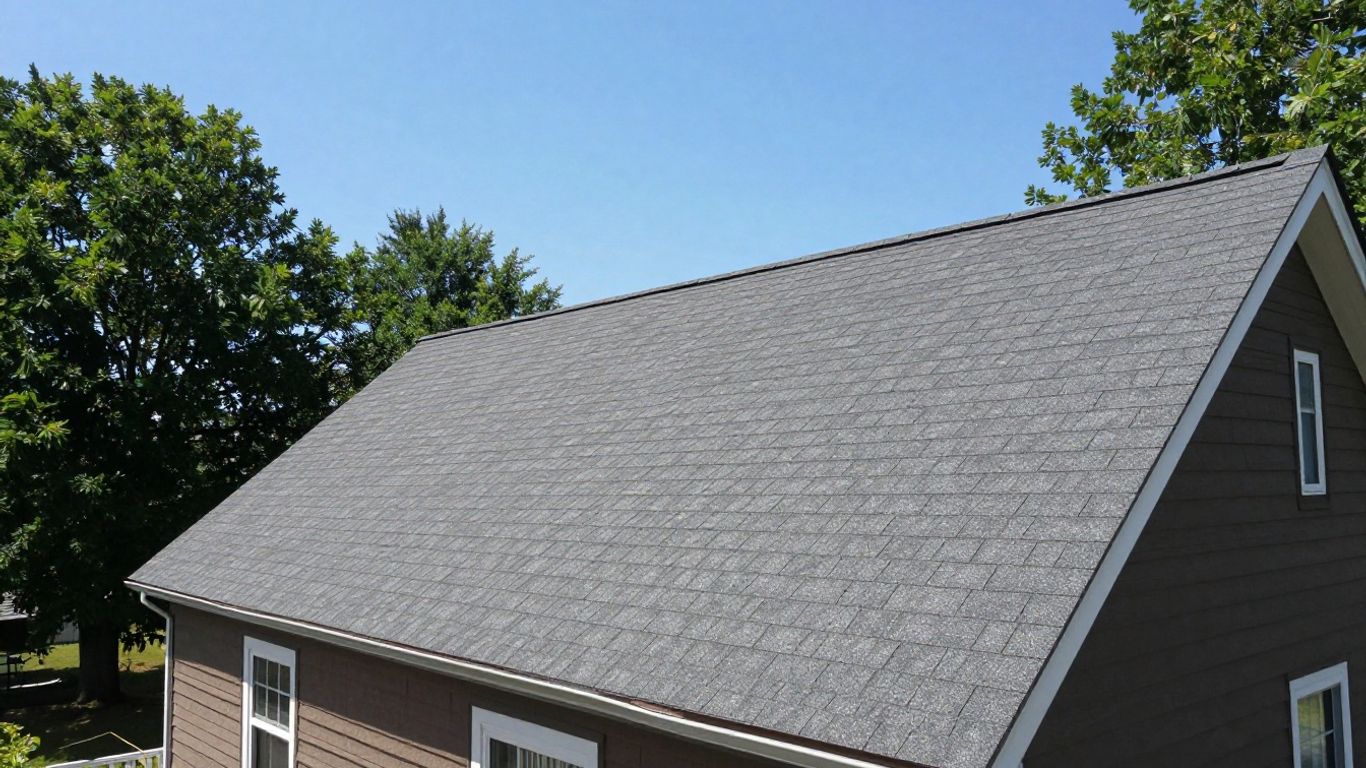
Think of your roof as your home’s shield. It’s the main thing standing between you, your family, and whatever the weather throws your way – rain, snow, wind, you name it. It’s not just about keeping dry; a solid roof is key to your home’s overall structure and comfort. But like anything that works this hard, it needs a little attention to keep doing its job well.
The Cost Of Neglecting Your Roof
Putting off roof care can get expensive, fast. Small issues, like a few loose shingles or a minor leak, can turn into big, costly problems if you ignore them. We’re talking about water damage that can spread to your walls and ceilings, mold growth, and even damage to the very structure of your house. Sometimes, neglecting maintenance means you end up needing a whole new roof way sooner than you should, which is a huge expense.
A little bit of regular upkeep can save you a whole lot of money and headaches down the road. It’s really about being smart with your home.
Benefits Of Proactive Roof Care
Taking care of your roof ahead of time has some pretty good perks. For starters, it can make your roof last a lot longer. Catching small problems early means they don’t turn into major repairs or a full replacement. This saves you money and hassle.
Here are some key benefits:
- Longer Roof Life: Regular checks and minor fixes help your roof stay in good shape for years, delaying that big replacement cost.
- Cost Savings: Small repairs are way cheaper than fixing major damage or replacing the whole roof.
- Energy Efficiency: A well-maintained roof, along with good insulation and ventilation, helps keep your home at a comfortable temperature. This means your heating and cooling systems don’t have to work as hard, saving you on energy bills.
- Home Protection: It prevents water damage, mold, and structural issues, keeping your home safe and sound.
Essential Roof Inspection Techniques
Taking a good look at your roof regularly is one of the smartest things you can do for your home. It’s not just about spotting obvious problems; it’s about catching little things before they turn into big, expensive headaches. Think of it like a quick check-up for your house’s hat. You don’t need to be a roofing pro to do a decent job, but knowing what to look for makes all the difference.
Regularly Inspect Your Shingles
Your shingles are the first line of defense against the weather. When you’re up there (or looking with binoculars), check for any shingles that are cracked, chipped, or have curled up at the edges. Missing shingles are a pretty clear sign that something needs attention. Also, keep an eye out for bald spots where the little granules that protect the shingle seem to have washed away. If you see a lot of these granules in your gutters, it’s a sign the shingles are getting old and might need replacing soon. It’s a good idea to check your roofing materials after any big storms.
Examine Flashing and Sealant
Flashing is that metal stuff you see around chimneys, vents, and skylights. It’s super important for keeping water out of those tricky spots. Look closely at the flashing to make sure it’s not rusted, bent, or pulling away from the roof. The sealant around these areas can also dry out and crack over time. If you see any gaps or damage, it’s a spot where water can sneak in. Fixing these small issues now can prevent bigger water damage problems down the line.
Check For Moss, Algae, And Fungal Growth
Sometimes, you might see patches of green or black on your roof. This is usually moss, algae, or some kind of fungus. While it might not look like a big deal, this stuff can actually hold moisture against your shingles. Over time, this trapped moisture can start to break down the roofing material and even get into the wood underneath. If you spot any of this growth, it’s best to get it cleaned off before it causes any real harm.
Inspect Gutters For Granule Buildup
Your gutters are like the drainage system for your roof. When you clean them out, take a moment to notice what’s inside. If you find a lot of small, gritty material, especially after it rains, that’s likely the granules from your shingles. A little bit is normal, but a thick layer means your shingles are shedding their protective coating. This is a good indicator that your roof is aging and might be nearing the end of its useful life. Keeping gutters clear is also important to prevent water backup onto your roof.
Don’t underestimate the power of a simple visual inspection. Many potential roof problems start small and are easy to fix if caught early. Ignoring them, however, can lead to much larger and more expensive repairs later on.
Keeping Your Roof Clear And Clean

Your roof works hard to keep your home safe and dry, but it can get pretty cluttered. Think of it like your home’s entryway – you wouldn’t want leaves and gunk piling up there, right? The same goes for your roof. Keeping it free from debris and clean is a big part of making sure it lasts a long time and does its job right.
The Necessity Of Clearing Debris
Leaves, twigs, and other bits that fall onto your roof might seem harmless, but they can cause real problems. When these things pile up, especially in your gutters, they stop water from flowing away properly. This backed-up water can then seep under your shingles, leading to rot and leaks. It’s like a tiny dam that can wreck your roof over time. Plus, wet leaves sitting on your roof can encourage moss and algae to grow, which we’ll talk about more later.
Maintaining A Clean Roof Surface
Beyond just clearing out the big stuff, keeping the actual surface of your roof clean matters too. Over time, dirt, pollen, and even pollution can build up. This grime can break down the protective layers of your shingles, especially asphalt ones. It can also create a good spot for mold or algae to take hold. A gentle cleaning now and then can really help your shingles last longer. Just remember, don’t go blasting it with a super high-pressure washer – that can actually strip away the protective granules from asphalt shingles, doing more harm than good.
Addressing Overhanging Tree Branches
Trees are great, but when their branches hang right over your roof, they can become a problem. They constantly drop leaves and twigs, contributing to the debris buildup we just talked about. Worse, during a storm, a heavy branch could snap and fall right onto your roof, causing serious damage. It’s a good idea to trim back any branches that are getting too close for comfort. This not only keeps your roof cleaner but also prevents potential damage from falling limbs.
Here’s a quick rundown of why keeping things clear is so important:
- Prevents Water Damage: Stops water from pooling and seeping under shingles.
- Reduces Growth: Limits spots where moss, algae, and mold can start.
- Extends Shingle Life: Protects the surface from wear and tear.
- Avoids Physical Damage: Stops falling branches from causing big problems.
Keeping your roof clear of debris and clean isn’t just about looks; it’s a practical step that directly impacts its ability to protect your home and how long it will last. Small efforts now can prevent big headaches later.
Internal Checks For Roof Health
Your roof does a lot of work keeping your home safe and dry, but sometimes the first signs of trouble show up inside. Checking the inside of your home, especially the attic and ceilings, can give you a heads-up about what’s happening with your roof before a small issue becomes a big, leaky problem.
Investigating Your Attic For Leaks
When you head up to the attic, look around for any water stains or damp spots on the underside of the roof decking or on the insulation. Even small, discolored patches can mean water is getting in. Also, check if the insulation looks compressed or wet, as this can be a sign of moisture buildup, which isn’t good for your roof or your home’s energy efficiency.
Assessing Ceiling For Water Stains
Take a good look at your ceilings, especially after a heavy rain. Any new yellow or brown spots, or areas where the paint looks bubbled or is peeling, could be a sign of a leak from above. Don’t ignore these; they’re your home’s way of telling you something needs attention.
Ensuring Proper Attic Ventilation
Good airflow in your attic is super important for your roof’s health. It helps keep things from getting too hot or too moist up there. If you notice a lot of condensation or feel like the attic is stuffy, your ventilation might not be working right. This can lead to problems like mold growth or even damage to the roof structure over time. Making sure vents aren’t blocked by insulation or debris is a simple but effective step.
Checking the inside of your home for roof issues is like getting an early warning system. It’s much easier and cheaper to fix a small leak or improve ventilation than it is to deal with major water damage or structural repairs down the line.
Addressing Structural Integrity
Your roof does more than just keep the rain out; it’s a key part of your home’s overall structure. When the roof’s structure starts to weaken, it can cause all sorts of problems, not just for the roof itself, but for the whole house. Keeping an eye on the structural health of your roof is just as important as checking for leaks or worn-out shingles.
Identifying Sagging Rooflines
One of the most obvious signs that something’s up with your roof’s structure is a sagging roofline. This is when you look at your house from the outside, or even from the attic, and the roof doesn’t look straight anymore. It might dip in the middle or have uneven sections. This isn’t just an eyesore; it usually means there’s a problem with the beams or supports underneath the roof decking, or maybe water has gotten in and weakened the wood.
Sagging can happen for a few reasons. Heavy snow loads in winter can put a lot of stress on the roof, and if the structure isn’t strong enough, it can start to bend. Old age is another factor; materials can weaken over time. Sometimes, it’s just poor initial construction or repairs that weren’t done right. Whatever the cause, a sagging roofline is a clear signal that you need to investigate further.
Promptly Repairing Structural Issues
If you spot any signs of structural weakness, like that sagging roofline we just talked about, don’t wait around. Ignoring these issues is like ignoring a small crack in a car’s windshield – it’s only going to get bigger and more expensive to fix later. Structural problems can lead to:
- Increased risk of leaks as the roof’s shape changes.
- Further damage to the roof decking and supporting beams.
- Potential collapse in severe cases, especially under heavy weather conditions.
- Compromised safety for everyone living in the house.
Addressing structural issues quickly is not just about maintaining your roof; it’s about protecting the entire home and the people inside it. It’s a safety matter as much as it is a maintenance one.
When you notice sagging or other structural concerns, it’s time to call in the pros. They can figure out exactly what’s wrong, whether it’s the rafters, trusses, or decking that needs attention. Sometimes, a simple reinforcement might do the trick, but other times, more involved repairs or even a partial roof replacement might be needed. Getting a professional assessment is key to deciding between roof repair or replacement and making sure the job is done right the first time. This kind of work often requires specialized knowledge and tools, so it’s usually best left to experienced roofing contractors.
Seasonal Roof Care Strategies
Fall Preparations For Winter
As the leaves start to turn and the air gets crisp, it’s time to give your roof some attention before winter rolls in. Think of it like getting your car ready for a long road trip. First things first, clear off any fallen leaves and debris that have collected. These can trap moisture and lead to all sorts of problems down the line, like mold or even ice dams later on. Also, take a good look at your gutters and downspouts. Make sure they’re clear of gunk so water can flow away from your house properly. Clogged gutters are a fast track to water damage.
It’s also a smart move to check for any damage that might have happened over the summer. Did a branch fall on the roof? Are any shingles looking a bit loose or cracked? Catching these small issues now means you can fix them before the harsh winter weather makes them much worse. A little bit of work now can save you a big headache later.
Spring Inspections After Winter
Winter can be tough on a roof. All that snow, ice, and wind can take a toll. Once the snow melts and the weather starts to warm up, it’s the perfect time for a thorough inspection. You’ll want to look for any shingles that might have been lifted or damaged by ice. Check the flashing around your chimney and vents too – sometimes ice can get under it and cause issues.
Pay attention to any new water stains you might see on your ceilings or in your attic. These are clear signs that water has found a way in. Also, give your gutters another check. They might have gotten clogged with winter debris or even damaged by ice buildup. Getting these things sorted out in the spring means your roof is ready to handle whatever the warmer, wetter months might bring.
Monitoring For Ice Dams And Snow Load
Ice dams are a real pain. They happen when snow melts on your roof and then refreezes near the edge, creating a barrier that stops more melting snow from draining. This backed-up water can then seep under your shingles and into your home. You can often spot them by looking for icicles hanging all along the edge of your roof, especially if they’re thick and widespread.
Keeping an eye on how much snow is piling up on your roof is also important, especially if you live in an area that gets heavy snowfall. Too much weight can put a strain on your roof’s structure. If you see a really deep layer of snow, or if your ceiling starts to sag a bit, it might be time to consider carefully removing some of the snow. Just be super careful if you decide to do this yourself, or better yet, call a pro.
Here’s a quick rundown of what to watch for:
- Ice Dams: Look for thick icicles and water pooling at the roof edge.
- Snow Load: Assess the depth of snow. If it’s unusually deep, consider removal.
- Attic Temperature: A warm attic can contribute to ice dams by melting snow on the roof. Check for proper insulation and ventilation.
When To Call The Professionals
Look, we all like to think we’re handy around the house, right? I’ve been there, staring at a leaky faucet or a squeaky door, thinking, ‘How hard can this be?’ Sometimes, you can tackle those little fixes yourself. But when it comes to your roof? That’s a whole different ballgame. Your roof is literally over your head, protecting everything you own. Messing it up can get expensive, fast.
The Value Of Professional Inspections
Sure, you can walk around your house and glance up at the roof, maybe even climb a ladder if you’re feeling brave. But a professional roofer has seen it all. They know what to look for – the tiny cracks in the sealant, the shingles that are just starting to curl, the subtle signs of water damage that you’d never notice. They have the tools and the experience to get a really good look without causing more problems.
Think of it like going to the doctor for a check-up. You might feel fine day-to-day, but a doctor can spot things early. A professional roof inspection is the same idea. They can catch small issues before they turn into big, costly disasters.
Understanding When Repairs Are Needed
So, how do you know when it’s time to call in the pros for repairs? It’s not always obvious. A few missing shingles after a storm? Probably need a roofer. You notice a new water stain on your ceiling? Definitely time to call. What about that slight sag you spotted in the roofline from the attic? That’s a serious structural concern that needs immediate attention from someone who knows what they’re doing.
Here are some clear signs that point to needing professional help:
- Visible Damage: Missing, cracked, or curling shingles are a big red flag.
- Water Intrusion: Any signs of leaks, water stains on ceilings or walls, or dampness in the attic.
- Structural Concerns: Sagging rooflines, soft spots on the roof surface, or damage to flashing.
- Age: If your roof is nearing the end of its typical lifespan (often 20-30 years, depending on the material), it’s wise to have it inspected regularly for potential replacement.
DIY Risks Versus Professional Expertise
Let’s be honest, attempting major roof repairs yourself can be risky. Ladders can be unstable, working at heights is dangerous, and you might not have the right tools or materials. Plus, if you make a mistake, you could void your roof’s warranty or, worse, cause more damage that ends up costing you a fortune.
Trying to fix a roof problem without the right knowledge or equipment is like trying to perform surgery with a butter knife. It’s just not worth the risk to your home or your safety. Professionals have the training, the safety gear, and the know-how to get the job done right the first time.
When in doubt, always err on the side of caution. A professional roofer can assess the situation, provide an honest recommendation, and perform the work safely and effectively. It’s an investment in your home’s protection and your peace of mind.
Wrapping It Up: Your Roof’s Best Friend
So, taking care of your roof might seem like a chore, but honestly, it’s way better than dealing with a leaky ceiling or a huge repair bill later on. Think of these tips as just giving your roof a little TLC. A quick check now and then, keeping those gutters clear, and maybe calling in a pro for a once-over can really make a difference. It’s all about staying ahead of things so your roof stays strong and keeps your home safe and dry for years. Plus, a happy roof means a happier wallet and less stress for you. Pretty good deal, right?
Frequently Asked Questions
Why is taking care of my roof so important?
Think of your roof as your home’s shield! It protects you from rain, snow, wind, and sun. Keeping it in good shape means it can do its job better, keeping your home safe and dry. Plus, fixing small problems early saves you a lot of money compared to waiting for big, expensive repairs later.
How often should I check my roof?
It’s a good idea to give your roof a look at least twice a year, maybe in the spring and fall. Also, after any really bad weather, like a big storm or heavy snow, it’s smart to check it again. This way, you can catch any issues before they become serious.
What are some common things to look for when I inspect my roof?
You should check your shingles for any that are cracked, missing, or curling up. Also, look at the metal parts around chimneys and vents (called flashing) to make sure they’re sealed well. Keep an eye out for any moss or algae growing, and check your gutters to see if they’re full of leaves or shingle bits.
Can I clean my roof myself?
You can remove leaves and small debris yourself, but be very careful! It’s best to use a soft brush or leaf blower, not a strong pressure washer, which can damage shingles. For bigger cleaning jobs or if you see a lot of moss, it’s safer to call a professional.
What if I see a leak or damage inside my house?
If you notice water stains on your ceiling or in your attic, it’s a sign your roof might be leaking. Don’t ignore it! Check your attic for damp spots or mold. It’s usually best to call a roofing professional right away to find the source of the leak and fix it before it causes more damage.
When should I definitely call a professional roofer?
You should call a pro for regular check-ups, especially if you’re not comfortable climbing on the roof. Definitely call them if you see serious damage like sagging areas, missing shingles after a storm, or if you suspect a leak. They have the right tools and experience to fix things safely and correctly.