
Your roof works hard to keep your home safe and dry, but it needs attention now and then. You can’t just forget about it until there’s a problem. Regular check-ups are key to catching small issues before they turn into major headaches and expensive repairs. So, how often should you inspect your roof? This guide breaks down why, when, and how to keep your roof in good shape.
Key Takeaways
- Regularly checking your roof helps find small issues before they become big, costly repairs.
- Following a step-by-step checklist makes sure you don’t miss any important areas of your roof.
- Pay attention to shingles, gutters, flashing, and vents – these are common spots for problems.
- Don’t forget to look inside your attic for signs of leaks or poor airflow.
- Know when to call a pro, especially for safety reasons or if you find complex damage.
Understanding Why Regular Roof Inspections Are Crucial
Your Roof: Your Home’s Primary Shield
Think of your roof as the main defense for your entire house. It’s constantly working, day in and day out, to keep out rain, snow, sun, wind, and anything else the weather decides to throw your way. Because it’s always on duty, it can start to show wear and tear. Regular check-ups are like giving your roof a chance to tell you if it’s feeling a bit run down before it has a major breakdown. It’s a simple way to make sure this important shield stays strong.
The Importance of Early Detection
Spotting small issues early on is a game-changer. A few missing shingles after a storm might seem minor, but they can let water in. If that water gets into your attic or walls, it can cause a lot more damage and cost a lot more to fix. Regular inspections help you catch these little problems, like granules washing off shingles or a small crack in the flashing, before they turn into big, expensive headaches. It’s all about being proactive.
Protecting Your Investment and Budget
Your home is likely one of the biggest investments you’ll ever make. Taking care of your roof is a big part of protecting that investment. When you keep your roof in good shape through regular inspections and maintenance, you help it last longer. This means you can avoid the massive cost of a full roof replacement for as long as possible. Catching problems early also means repairs are usually smaller and less costly, saving you money in the long run and keeping your budget on track. It’s a smart way to look after your home and your finances.
It’s easy to forget about the roof until there’s a problem, but a little attention now can save a lot of trouble later. Think of it like checking the oil in your car – a quick look now prevents a breakdown down the road.
When Should You Schedule Your Roof Inspection?
Your roof works hard all year round, taking a beating from sun, rain, wind, and sometimes even snow. Because it’s constantly exposed, it needs regular check-ups to make sure it’s doing its job properly. Think of it like taking your car in for an oil change – a little attention now can prevent a major breakdown later.
After Severe Weather Events
Big storms can do a number on your roof, even if you can’t see the damage from the ground. High winds can lift shingles, hail can create small dents or cracks, and heavy rain can test your drainage system. It’s always a good idea to get your roof checked out after any major weather event. This helps catch any damage before it has a chance to turn into a bigger problem, like a leak.
- High Winds: Look for any shingles that might be lifted, torn, or completely missing.
- Hail: Check for dents on metal surfaces or bruising on shingles that might not be immediately obvious.
- Heavy Rain: Ensure gutters and downspouts are clear and water is flowing away from your home, not pooling.
Seasonal Check-ups: Spring and Fall
Scheduling inspections twice a year, typically in the spring and fall, is a smart move. The spring check-up helps you see what damage winter might have caused, like ice dams or fallen branches. The fall inspection gets your roof ready for the colder months, making sure it can handle snow and ice without issues.
- Spring: Inspect for damage from ice, snow, and winter storms. Clear out any debris that accumulated over winter.
- Fall: Prepare for winter by checking for wear and tear, clearing leaves from gutters, and ensuring everything is sealed tight.
Recognizing When It’s Just Been Awhile
Even if you haven’t had severe weather or it’s not quite the usual time for a seasonal check, it’s still important to keep an eye on your roof. If it’s been over a year since your last professional inspection, or if you notice anything unusual from the ground – like sagging areas, missing shingles, or water stains appearing inside your home – it’s probably time to schedule a look.
Don’t wait for a drip from the ceiling to think about your roof. Proactive checks are far less costly and stressful than emergency repairs after a leak has already caused damage inside your home.
The Value of a Systematic Inspection Approach
Why A Checklist Makes A Difference
Just wandering around your roof and hoping for the best isn’t really the way to go. You need a plan. Going through your roof section by section, from the shingles to the gutters to the vents, makes sure you don’t miss anything important. It’s like following a recipe – if you skip a step, the whole thing might not turn out right. A checklist helps you be thorough and consistent, so you know exactly what you’ve checked and what you might need to keep an eye on later. This organized method helps you spot problems methodically and document them properly for future reference or when you need to talk to a professional.
Viewing Your Roof As An Integrated System
A roof is more than just covering; it’s a system. Each part, from the shingles to the flashing to the ventilation, works together. When one part has a problem, it can affect the others. Thinking about your roof as a whole system helps you understand why checking every component is so important for keeping your home safe and dry.
Thoroughness Prevents Costly Oversight
Don’t underestimate the impact of small issues. A single missing shingle or a few cracked ones might seem minor, but they can be the start of significant water damage if left unaddressed. Regular checks help catch these problems early. A systematic approach means you’re less likely to overlook something that could turn into a major repair bill later on. It’s about being proactive rather than reactive.
A roof is your home’s primary shield. Treating it like a complex system, rather than just a covering, ensures all its parts work together to protect you.
Here’s a quick look at what a systematic inspection might cover:
- Shingles/Surface: Checking for missing, cracked, curled, or blistered materials. Looking for excessive granule loss in gutters.
- Penetrations: Inspecting around chimneys, vents, and skylights for damaged flashing or sealant.
- Drainage: Clearing debris from gutters and downspouts, ensuring water flows away from the foundation.
- Structure: Looking for signs of sagging, soft spots, or damage to the underlying structure (often visible from the attic).
- Flashing: Examining metal strips around edges, valleys, and penetrations for rust, cracks, or separation.
Inspecting Your Roof’s Shingles and Materials
Your roof’s shingles are like the scales on a fish – they’re the first line of defense against the weather. When they’re in good shape, your home stays dry and protected. But when they start to fail, that’s when you can run into some serious problems. It’s not just about how they look; it’s about what they’re doing (or not doing) to keep water out.
Signs of Shingle Deterioration
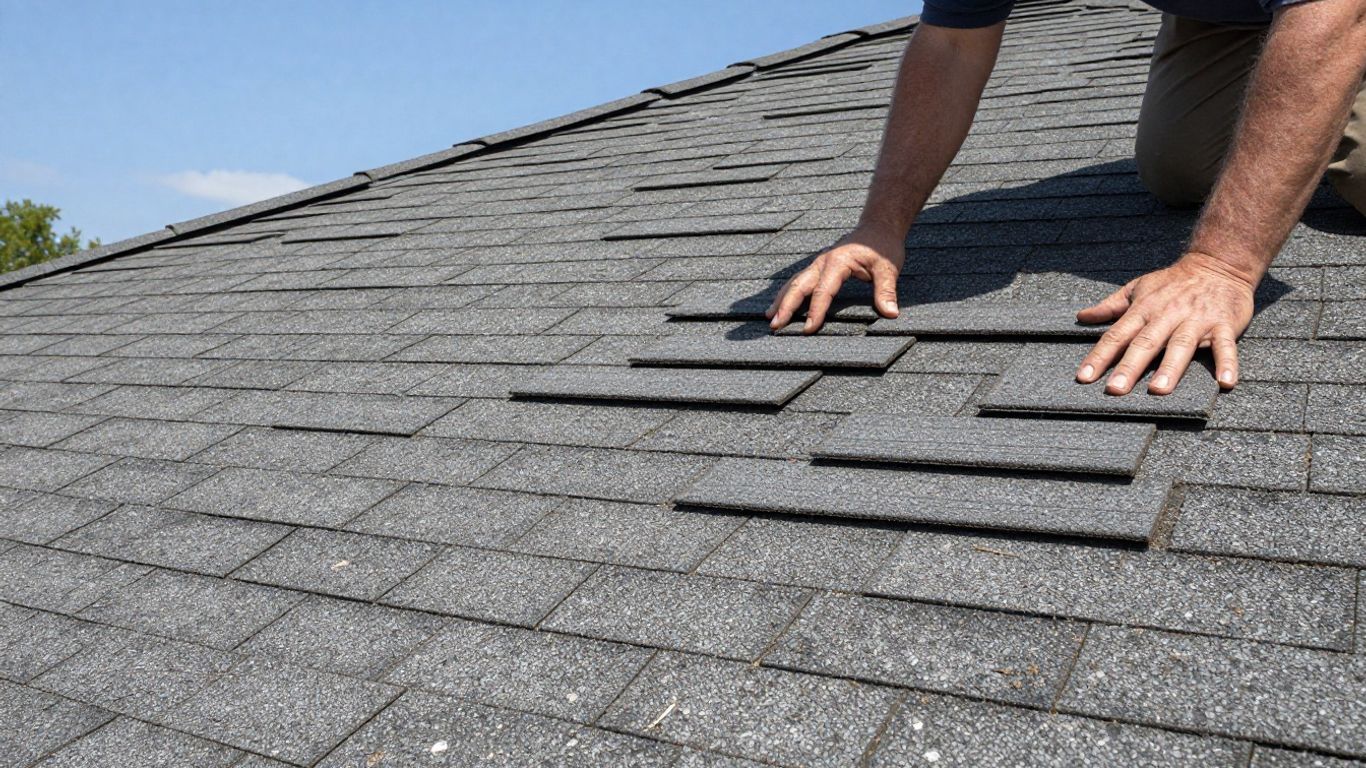
Checking for missing or damaged shingles is probably the most obvious thing to look for. Missing shingles are like leaving a door open for rain. Even one or two gone can let water sneak into the layers underneath, which can lead to rot and mold. You can often spot missing shingles from the ground, especially after a big storm. If you see bare spots where shingles should be, that’s a clear sign something needs attention.
Asphalt shingles have tiny granules on their surface that protect them from the sun’s UV rays. Over time, especially in hot climates, these granules can wear away. You’ll often see these granules collecting in your gutters or downspouts. A lot of granules in the gutter means the shingles are getting old and losing their protection. You might also notice the shingles looking thinner or feeling more brittle.
Curling usually happens when the edges of the shingles start to lift up, often due to heat or moisture getting underneath. This creates little channels where water can flow. Cracked shingles are pretty self-explanatory – they’ve got splits in them. This can happen from impact (like hail) or just from the material becoming brittle with age. Both curling and cracking mean the shingle isn’t lying flat and doing its job properly. It’s a good idea to keep an eye on these areas, as they can lead to bigger issues down the road. If you’re noticing these signs, it might be time to start thinking about roof repair.
Here’s a quick rundown of what to look for:
- Missing Shingles: Bare spots on the roof where shingles should be.
- Granule Buildup: Lots of small, gritty material in your gutters.
- Curling Edges: Shingles that are lifting up at the sides.
- Visible Cracks: Splits or breaks in the shingle material.
Don’t underestimate the impact of small issues. A single missing shingle or a few cracked ones might seem minor, but they can be the start of significant water damage if left unaddressed. Regular checks help catch these problems early.
What To Look For On Different Roofing Types
If you have metal roofing, you’ll be looking for different signs. Keep an eye out for rust spots, dents, or panels that seem loose or are lifting. For tile or slate roofs, check for any broken or chipped pieces. The main goal is to make sure the entire surface is intact and secure.
Addressing Minor Damage Promptly
It’s easy to dismiss a bit of grit in the gutter, but it’s actually one of the most telling signs that your shingles are nearing the end of their life. Ignoring it means you’re leaving your home’s protection vulnerable to the elements. If you’re finding a lot of granules, it’s a good idea to get a professional to check out your roof’s condition. They can tell you if it’s just normal wear or if it’s time for some roof repair.
Evaluating Roof Penetrations and Flashing
Checking Chimneys, Vents, and Skylights
Think of anything that sticks out of your roof – chimneys, plumbing vents, skylights – as a potential entry point for water. These spots are common places for leaks to start if they aren’t properly sealed and maintained. When you’re inspecting these areas, look for any obvious signs of wear and tear. Are the seals around them cracked or dried out? Is the metal flashing bent, rusted, or pulling away from the roof surface? For skylights, check the glass itself for damage and the frame for any signs of deterioration.
Inspecting Flashing for Cracks or Tears
Flashing is that thin strip of metal, usually aluminum or galvanized steel, that’s installed around roof penetrations and where your roof meets a wall or chimney. Its main job is to direct water away from these vulnerable areas. Over time, especially with exposure to different weather conditions, flashing can rust, corrode, or get bent. The sealant used to keep it in place can also dry out, crack, and lose its grip. You’re looking for any gaps between the flashing and the roof material, rust spots, or holes. Even a small issue here can lead to bigger problems, like water seeping into your attic and causing rot.
Verifying Sealant Integrity Around Openings
Sealants are the unsung heroes around your roof’s openings. They work hand-in-hand with flashing to create a watertight barrier. Over the years, UV rays, temperature changes, and general wear can cause these sealants to break down. You’ll want to check if they’re still flexible and firmly adhered, or if they’ve become brittle, cracked, or pulled away from the surface. Pay close attention to areas around vent pipes, exhaust fans, and the base of chimneys. If you see any signs of sealant failure, it’s a good idea to address it promptly to prevent water intrusion. A little bit of maintenance here can save you a lot of trouble later on.
The flashing and sealants around your roof’s penetrations are critical for preventing water damage. Regularly checking these areas, especially after severe weather, can help you catch small problems before they turn into major leaks and costly repairs.
Maintaining Your Gutters and Drainage Systems
Your roof does a lot more than just keep the rain off your head. It works with your gutters and downspouts to channel water away from your home’s foundation. If these systems get clogged or damaged, water can back up, causing all sorts of problems. Think of your gutters as the unsung heroes of your home’s exterior – they work hard, but they need a little attention to keep doing their job right.
Clearing Debris From Gutters and Downspouts
Clogged gutters are a common issue, and they can lead to water pooling on your roof or overflowing right next to your foundation. This can cause wood rot, basement leaks, and even damage your landscaping. It’s a good idea to clean them out at least twice a year, usually in late spring and late fall. If you have a lot of trees around your house, you might need to do it more often.
Here’s a simple way to tackle it:
- Gear Up: Grab some heavy-duty gloves and safety glasses. You don’t want to get poked or splashed.
- Scoop It Out: Use a small trowel or a specialized gutter scoop to remove the packed-in debris. A ladder stabilizer can make this job much safer.
- Flush It Through: Once the bulk of the gunk is out, use a garden hose to run water through the gutters and downspouts. This helps clear out any remaining bits and lets you see if water is flowing freely.
Preventing Clogs Before They Start
Beyond just cleaning, there are ways to minimize the gunk that ends up in your gutters in the first place. This proactive approach can save you a lot of time and potential damage down the line. Keeping your drainage systems clear is like giving your roof a clear path to breathe. It’s a simple step that prevents a cascade of bigger issues.
- Trim Overhanging Branches: Trees that hang over your roof are a prime source of leaves and debris. Keep them trimmed back.
- Install Gutter Guards: These can make a big difference in keeping larger debris out of your drainage system.
- Regular Sweeping: If you have easy access, a quick sweep of the roof surface after windy days can remove loose debris before it settles into drains.
Ensuring Proper Water Flow Away From Your Home
This is the big one. The whole point of gutters is to direct water away from your house. After you’ve flushed the system, watch where the water comes out of the downspouts. Ideally, it should be flowing at least a few feet away from your foundation. If the downspouts just dump water right next to the house, you’re basically creating a water feature that’s bad for your foundation. You might need to add extensions to your downspouts or even consider installing underground drainage pipes if you have persistent pooling issues. Checking this part of the system is key to preventing water from getting into your basement or crawl space. You can find more tips on evaluating drainage if you need them.
Keeping your gutters clear is one of the simplest yet most effective ways to prevent water damage to your home. It’s a small task that pays big dividends in protecting your property.
Recognizing Interior Signs of Roof Issues
Identifying Ceiling Stains and Moisture
Ever looked up and noticed a faint, brownish or yellowish spot on your ceiling? That’s not just an eyesore; it’s a pretty clear signal that water has found its way into your home. It might start small, like a little drip after a heavy rain, but that moisture can really do some damage over time. When water seeps through your roof, it means it’s getting past your shingles, underlayment, and potentially into your attic insulation. Wet insulation doesn’t work as well, making your home harder to keep warm or cool. Plus, that dampness is a perfect spot for mold to start growing. So, if you see those stains, don’t just paint over them. It’s a sign your roof needs a closer look.
Detecting Mold and Musty Smells
Sometimes, leaks don’t show up as obvious stains right away. Instead, you might notice damp spots or even mold growing in your attic. This is often a sign of poor ventilation, where moisture gets trapped. When warm, moist air from your house rises into the attic and can’t escape, it condenses on cooler surfaces. This constant dampness can lead to wood rot in your attic’s structure and damage insulation. You might also notice a musty smell in your home, especially on humid days. If you’re in the attic and see any signs of water damage, like dark wood or mold, it’s time to investigate your roof and ventilation system.
Checking Your Attic for Leaks and Ventilation
Your attic is like the lungs of your house. If it’s not breathing right, you’ll have problems. Leaks don’t always appear as stains on your living room ceiling. You might find damp spots or mold growing in the attic itself, often a sign of poor ventilation. When warm, moist air from your house rises into the attic and can’t escape, it condenses on cooler surfaces. This dampness can lead to wood rot in your attic’s structure and damage insulation. A musty smell in your home, especially on humid days, can also point to this issue. If you see any signs of water damage in the attic, like dark wood, wet insulation, or mold, it’s definitely time to check your roof and ventilation system. It’s not just about keeping rain out; it’s about keeping your whole house healthy and dry.
Understanding Your Roof’s Lifespan and Age
Your roof is a big part of your home’s defense system, but like anything, it doesn’t last forever. Knowing how long it’s supposed to last and what affects that timeline is pretty important. It helps you plan for the future and avoid surprises.
Typical Roof Lifespans By Material
Different materials just aren’t built the same way, and that goes for roofs too. Some are designed to stick around for decades, while others might need replacing sooner. Here’s a general idea of what you can expect:
- Asphalt Shingles: These are the most common. You’re usually looking at about 15 to 30 years. If you live somewhere with really harsh weather, it might be on the shorter end of that.
- Metal Roofing: These are known for their durability. A metal roof can often last between 40 and 70 years, sometimes even longer.
- Tile (Clay or Concrete): If you have tile roofing, you’re in for the long haul. These can easily last 50 years or more.
- Flat Roofs (like TPO or EPDM): These typically have a shorter lifespan, often in the 10 to 25-year range.
Why Age Isn’t The Only Factor
Just because a roof is a certain age doesn’t mean it’s automatically on its last legs. A lot of other things play a role in how well your roof holds up over time. Think of it like people – we all age differently based on our lifestyle and environment.
- Climate: If your home is constantly hit by strong winds, heavy rain, hail, or intense sun, your roof will wear out faster. A roof in a mild climate might last much longer than one in a place with extreme weather.
- Installation Quality: How the roof was put on in the first place makes a huge difference. A poorly installed roof, even with good materials, won’t last as long as it should.
- Maintenance: This is a big one. Regular check-ups, keeping gutters clean, and fixing small issues as they pop up can significantly extend your roof’s life. It’s like taking care of a car – regular maintenance keeps it running smoothly.
Ignoring your roof’s condition is like ignoring a small problem that can grow into a much larger, more expensive issue. Regular attention is key to longevity.
Considering Your Climate and Installation Quality
Your local weather patterns are a major player in your roof’s lifespan. Intense sun can dry out and crack shingles, while heavy snow and ice can cause lifting and damage. High winds can tear off shingles, creating immediate problems. If you live in an area prone to severe storms, your roof is going to face more wear and tear than one in a calmer region. It’s worth looking into roofing materials suited for your climate to get the best performance.
Similarly, the quality of the initial installation is critical. A roof installed by inexperienced or careless workers might have hidden flaws from day one. This could mean improper sealing, incorrect fastening of materials, or poor ventilation. These issues can lead to premature failure, even if the materials themselves are top-notch. Always ensure you’re working with reputable professionals for any roofing work.
When to Call A Professional Roofing Contractor
Sometimes, you can handle minor roof issues yourself, like clearing out some leaves from the gutters. But there are definitely times when it’s best to bring in the pros. Trying to fix big problems on your own can be dangerous, and you might end up making things worse. Knowing when to call a professional roofing contractor is key to keeping your home safe and your roof in good shape.
When You’re Unsure About The Severity
If you’ve noticed some of the warning signs we’ve talked about, like a few water spots on the ceiling or some shingles that look a bit off, but you’re not quite sure how serious it is, that’s a perfect time to call someone. Professionals have the experience to tell if that small stain is just a minor issue or the start of something much bigger. They can give your roof a thorough check and let you know exactly what’s going on without any guesswork.
Addressing Major Structural Concerns
If you’re seeing things like sagging areas in your roofline, soft spots when you walk in the attic, or large sections of missing shingles after a storm, these are not small problems. These issues often point to damage in the underlying structure of your roof. This is where safety becomes a big concern. A compromised roof structure can be dangerous, and it’s not something you want to try and fix yourself. A professional contractor can assess the structural integrity and recommend the right course of action, whether it’s a major repair or a full replacement.
Getting Estimates for Repairs or Replacement
Even if you have a pretty good idea of what needs to be done, it’s always smart to get multiple opinions and quotes. If you’re looking at a significant repair or a full roof replacement, you should aim to get at least three written estimates from different, reputable roofing companies. This allows you to compare costs, understand the scope of work each contractor proposes, and choose the best option for your budget and needs. Don’t be afraid to ask questions about their experience, the materials they use, and their warranties.
The Impact of Roof Maintenance on Warranties
Understanding Warranty Requirements
Your roof is a big investment, and the warranty that comes with it is supposed to offer some peace of mind. But here’s the thing: warranties aren’t just a free pass for everything that might go wrong. They’re more like a contract, and like any contract, there are terms and conditions you need to follow. Most manufacturers and installers expect you to do your part to keep the roof in good shape. This means keeping up with basic maintenance tasks. If you don’t, you might find that your warranty isn’t as helpful as you thought when a problem pops up.
Think of it this way: your warranty is there to cover defects in materials or installation errors. It’s not usually there to cover damage that happens because the roof was neglected. So, what does "keeping up with maintenance" actually mean in the eyes of a warranty provider? It generally includes things like:
- Regularly clearing debris from your roof and gutters.
- Checking for and addressing any signs of wear or minor damage promptly.
- Ensuring proper attic ventilation to prevent moisture buildup.
- Getting professional inspections, especially after major weather events.
It’s always a good idea to read through your specific warranty documents. Knowing what’s expected of you upfront can save a lot of headaches later on.
How Neglect Can Void Your Warranty
This is where things can get really costly. If you skip out on the recommended maintenance, you’re essentially giving the warranty provider an easy way to deny a claim. Let’s say you have a leak because your gutters were so clogged that water backed up under your shingles. Even if the shingles themselves were faulty, the warranty company might say the leak happened because of poor maintenance, not a material defect. Suddenly, that small leak repair becomes your responsibility, and it could be thousands of dollars.
It’s not just about clogged gutters, either. If you notice a few shingles are loose or curling and you just leave them, that small issue can lead to bigger problems like water intrusion. The warranty might not cover the resulting damage because you didn’t address the initial, minor problem. It’s a bit like ignoring a small crack in your windshield; eventually, it can spread and make the whole thing need replacing.
The key takeaway here is that a warranty is a partnership. The manufacturer or installer stands behind their product or work, but they expect you to be a responsible homeowner and take reasonable steps to protect your investment.
The Importance of Documentation
This is a big one that many homeowners overlook. If you do perform maintenance, or if you have a professional do it, keep records. This is your proof. When you need to file a warranty claim, the company will likely ask for evidence that you’ve been taking care of your roof. This could include:
- Invoices from professional cleaning or repair services.
- Photos of maintenance work being done.
- Records of any inspections you’ve had performed.
- Receipts for any materials you used for minor repairs.
Without this documentation, it’s your word against theirs, and they have the warranty document on their side. Having a clear paper trail shows you’ve upheld your end of the agreement. This is especially important if you ever plan to sell your home, as a well-documented maintenance history can be a significant selling point and may even make the roof warranty transferable to the new owner.
Wrapping It Up: Your Roof’s Best Friend
So, we’ve covered why keeping an eye on your roof is a smart move for any homeowner. It’s not just about avoiding a leaky ceiling, though that’s a big part of it. Regular check-ups, whether you’re doing a quick look yourself after a storm or getting a pro involved twice a year, can really save you from bigger headaches and wallet-aches down the line. Think of it as preventative care for your house. Catching a few loose shingles or clearing out some leaves now is way easier than dealing with water damage in your attic later. By staying on top of it, you’re not just protecting your home; you’re also helping your roof last longer and perform better. It’s a little effort that pays off big time.
Frequently Asked Questions
How often should I check my roof for problems?
It’s a good idea to quickly look at your roof from the ground every few months, especially after bad weather like strong winds or heavy rain. A more thorough check-up by a professional once a year is also a smart move. Think of it like getting your car serviced – it helps catch small issues before they turn into big, expensive repairs.
What’s the biggest mistake homeowners make with their roofs?
The most common mistake is waiting too long to fix small problems. People often ignore minor leaks or a few damaged shingles, hoping they’ll be okay. But these small issues can lead to much bigger problems like water damage inside your home, mold, and even weaken the structure of your house.
Can I fix roof problems myself?
For very minor issues, like clearing out a few leaves from a gutter, you might be able to do it yourself. However, most roof repairs and inspections involve working at heights and dealing with potentially dangerous materials. It’s usually best and safest to call a professional roofing contractor for anything beyond simple debris removal.
What are the most common signs of roof damage I can see from the ground?
Look for missing or damaged shingles, which might be cracked, curled, or just gone. Also, check your gutters for excessive amounts of shingle granules (they look like coarse sand) or any signs of water backing up. Sagging areas on your roofline are also a serious sign that needs immediate attention.
What should I look for inside my house that might mean roof trouble?
Keep an eye out for water stains on your ceilings or walls, especially after it rains. Musty smells in your attic or upper rooms can also indicate hidden moisture. If you can see daylight coming through your attic floor, that’s a clear sign there are holes in your roof.
How long do roofs typically last?
The lifespan of a roof depends a lot on the material. Asphalt shingles usually last about 15 to 30 years, while metal or tile roofs can last much longer, sometimes 40 to 70 years or more. However, things like your local climate and how well the roof was installed also play a big role.
Why is it important to keep my gutters clean?
Clean gutters are crucial because they direct water away from your house. When gutters are clogged with leaves and debris, water can overflow and pool around your foundation, potentially causing basement leaks or damage to your siding. It can also back up onto your roof, leading to leaks and rot.
Does roof maintenance affect my warranty?
Yes, absolutely. Most roof warranties require you to perform regular maintenance, like keeping gutters clear and addressing minor damage promptly. If you neglect these basic tasks, it could void your warranty, meaning you won’t be covered if a problem arises later.